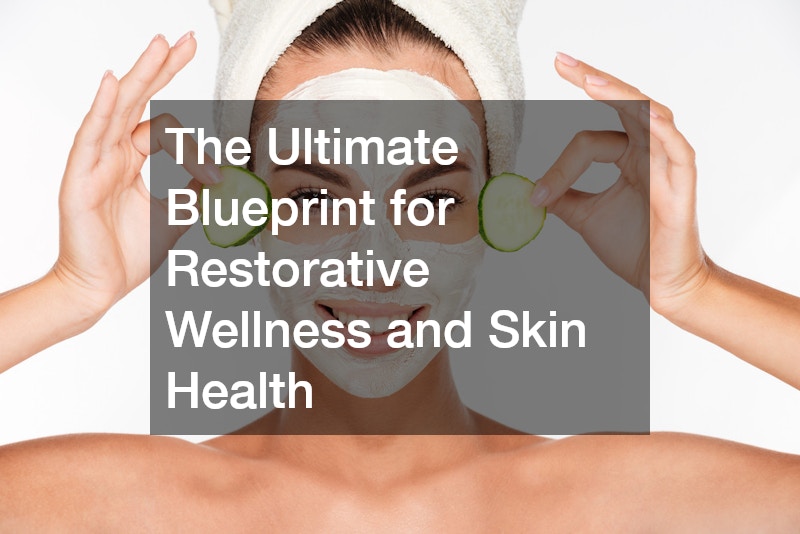

True vitality is rarely achieved through a single quick fix or a surface-level routine. We now understand that human biology does not operate in isolated silos. The radiance of your complexion, the density of your hair, the comfort of your limbs, and your overall daily energy are deeply intertwined.
This comprehensive blueprint provides a unified, step-by-step roadmap to help you integrate sleep hygiene, advanced dermal rejuvenation, circulatory support, stress decompression, and professional care standards into a life-changing health strategy.
Mastering Overnight Recovery and Dermal Repair
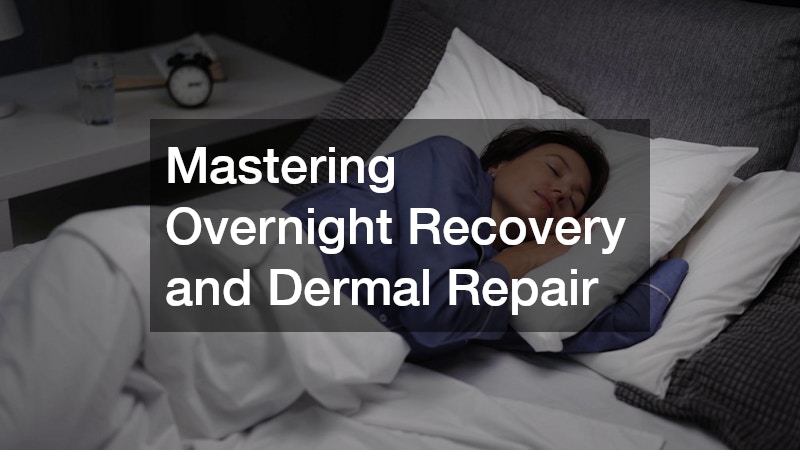
Restorative wellness begins with the foundation of daily circadian recovery: sleep. While you sleep, your body undergoes critical cellular repair, shifting energy away from cognitive processing and digestion toward tissue growth, hormonal regulation, and protein synthesis.
Optimize Your Sleep Sanctuary to Prevent Dermal Micro-Irritation
The physical environment in which you sleep exerts continuous mechanical influence on your skin barrier. Over an eight-hour night, your face and neck remain in direct, prolonged contact with bedding materials, creating friction, trapping ambient heat, and absorbing skin oils.
Standard cotton weaves, while breathable, feature coarse fibers on a microscopic scale. These fibers create friction against delicate facial skin, snagging loose epidermal scales, aggravating micro-inflammation, and absorbing moisture directly out of the stratum corneum.
To protect your dermal barrier overnight, consider the following environmental adjustments:
- Switch to Hypoallergenic Weaves: Invest in sheets for sensitive skin made from long-staple organic cotton, high-grade mulberry silk, or sustainably sourced eucalyptus lyocell. These smooth, continuous fibers minimize the friction coefficient during movement.
- Maintain Thermal Neutrality: High ambient bedroom temperatures encourage sweating, which alters the skin’s surface pH and creates a breeding ground for bacteria. Keep your sleeping space between 65°F and 68°F.
- Wash Fabrics with Hypoallergenic Detergents: Avoid synthetic fragrances, optical brighteners, and fabric softeners, all of which leave chemical residues on bedding that transfer directly into open pores.
- Practice Pillowcase Hygiene: Change your pillowcase every two to three days to prevent the accumulation of sebum, dead skin cells, and hair styling products.
Rebuild Collagen and Correct Texture with Advanced Light Therapy
While an optimal sleep environment preserves your skin barrier, targeted energy-based devices actively rebuild the structural matrix beneath it. Environmental exposure to ultraviolet radiation, pollution, and natural metabolic aging causes collagen fibers in the dermis to degrade, resulting in fine lines, dyspigmentation, and rough texture.
Targeted light and laser treatments work by delivering controlled thermal energy to exact depths within the skin. This controlled micro-injury triggers a robust wound-healing response: initial controlled damage leads to an inflammatory cascade, which in turn signals fibroblasts to produce fresh, organized collagen and elastin fibers over the following months.
To ensure optimal safety and results when undergoing laser resurfacing treatments, follow these core guidelines:
- Prepare the Skin Pre-Treatment: Discontinue active topical retinoids, alpha-hydroxy acids, and direct sun exposure for at least two weeks prior to your session to lower the risk of post-inflammatory hyperpigmentation.
- Maintain Strict Post-Procedure Barrier Support: Immediately following energy treatments, apply occlusive, fragrance-free ointments rich in ceramides, cholesterol, and fatty acids to lock in moisture and protect vulnerable skin.
- Commit to Sun Avoidance: Freshly treated skin is hypersensitive to UV damage. Apply a broad-spectrum mineral sunscreen containing zinc oxide or titanium dioxide daily, regardless of weather conditions or indoor plans.
Structural Facial Contouring and Targeted Rejuvenation
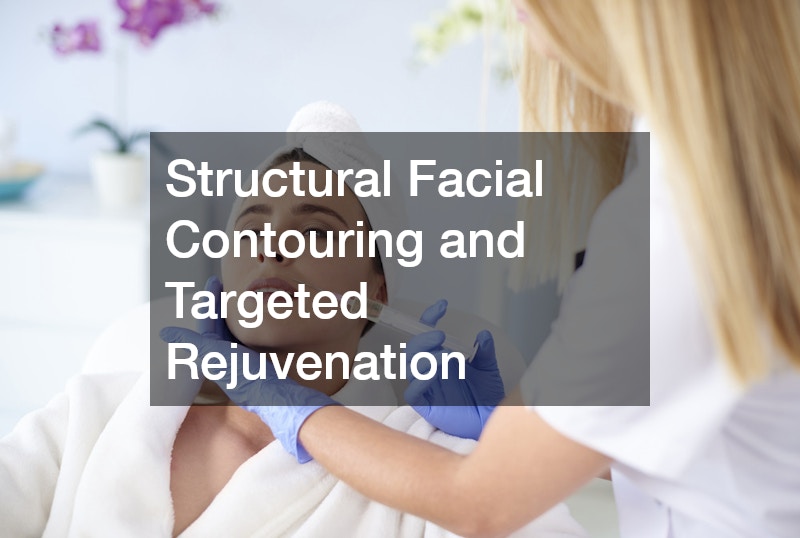
As the structural framework of the face ages, changes extend far beyond fine surface lines. Deep fat pads gradually atrophy and shift downward, bone density slowly resorbs around the orbits and jawline, and skin loses the structural elastin required to bounce back against gravity. Addressing these changes requires a dual approach: surgical precision for structural shifts and non-invasive energy for dermal laxity.
Elevate Upper-Face Vitality and Eliminate Tired-Looking Eyes
The skin surrounding the eyes is the thinnest on the human body, measuring just 0.5 mm in thickness—roughly one-fourth that of the surrounding facial skin. Consequently, the periorbital area is often the first region to show visible signs of aging, structural exhaustion, or metabolic stress.
Over time, the delicate orbital septum weakens, allowing protective fat pads around the eye to bulge forward. Correcting structural upper-face fatigue involves both clinical intervention and careful post-procedure maintenance:
- Evaluate Structural vs. Surface Concerns: Determine during consultation whether periorbital heaviness stems from skin laxity, muscle weakness, or herniated fat pads. Surgical eyelid lifts remain the gold standard for precisely trimming excess tissue and repositioning orbital fat.
- Reduce Post-Operative Edema: Following surgical refinement, practice strict head elevation (using two to three pillows while sleeping) and apply cold compresses for 10-minute intervals to limit bruising and fluid accumulation.
- Integrate Gentle Lymphatic Massage: Once incision sites have fully healed, perform light, sweeping manual lymphatic drainage strokes around the orbital rim toward the preauricular lymph nodes in front of the ears to clear residual swelling.
Restore Elasticity and Firmness in the Lower Face and Neck
While upper-face rejuvenation focuses on trimming excess tissue, lower-face and neck restoration centers on tightening slackened dermal layers and re-anchoring the skin to underlying fascial planes.
Non-surgical skin tightening uses focused thermal energy—typically delivered via radiofrequency (RF) or micro-focused ultrasound (MFU)—to heat the deep dermal layers and the Superficial Musculoaponeurotic System (SMAS). This targeted heating instantly contracts existing collagen fibers while signaling specialized fibroblast cells to synthesize fresh structural collagen over the following three to six months.
- Micro-Focused Ultrasound (MFU)
- Radiofrequency (RF) Microneedling
- Monopolar Radiofrequency
Vascular Flow and Cellular Regeneration
No skincare routine or structural aesthetic treatment can reach its full potential if the body’s underlying circulatory network is compromised. Blood flow is the primary transport mechanism for delivering oxygen, glucose, vitamins, and systemic antioxidants to living cells, while simultaneously flushing away metabolic waste products through the venous and lymphatic systems.
Improve Leg Circulation and Clear Lower-Body Vascular Blockages
Circulatory health is particularly vulnerable in the lower extremities, where gravity continually opposes the upward return of venous blood toward the heart. Tiny one-way valves inside the veins prevent blood from flowing backward. When these valves weaken or fail due to genetics, prolonged sitting or standing, pregnancy, or age, blood pools in the lower legs.
This condition, known as venous insufficiency, causes veins to dilate and twist, creating painful, visible bulge lines. Beyond aesthetic concerns, chronic venous pooling leads to localized inflammation, skin hyperpigmentation, ankle swelling, and poor tissue oxygenation throughout the lower limbs. Graduated compression helps counteract this pressure by applying firmest pressure at the ankle and gradually decreasing force up the leg, encouraging upward blood return.
To support healthy lower-body circulation and treat vascular congestion, consider the following non-invasive and clinical interventions:
- Explore Modern Micro-Invasive Procedures: Consult a vascular specialist to evaluate modern varicose vein treatment options such as sclerotherapy, endovenous laser ablation, or radiofrequency ablation. These outpatient techniques seal off damaged veins, redirecting blood flow into healthy, deeper vessels.
- Implement Daily Compression Therapy: Wear graduated compression stockings (15–20 mmHg for daily support, 20–30 mmHg for clinical needs) during prolonged periods of sitting or standing to manually pump fluid upward.
- Practice Intermittent Leg Elevation: Elevate your legs above heart level for 15 to 20 minutes every evening to decrease hydrostatic pressure within lower leg veins and assist lymphatic drainage.<
- Incorporate Muscle Pump Exercises: Engage the calf muscle pump—the primary engine for venous return—by performing regular calf raises, ankle pumps, and walking breaks throughout workday hours.
Integrate Clinical Protocols for Long-Term Cellular Youthfulness
Achieving lasting skin vitality requires a long-term preventive strategy rather than reactive troubleshooting. Cellular aging in the skin is driven by two distinct processes: intrinsic aging (genetically predetermined cellular slowdown) and extrinsic aging (environmental damage caused by UV radiation, pollution, and lifestyle factors).
When building a long-term anti aging treatments calendar, structure your interventions around seasonal biological needs:
- Daily Topical Essentials: Apply a daily broad-spectrum SPF 30+ sunscreen, a morning antioxidant serum (such as L-ascorbic acid or ferulic acid) to neutralize free radicals, and an evening topical retinoid to accelerate epidermal turnover.
- Spring/Summer Maintenance Focus: Shift clinical focus toward deep hydration, antioxidant infusions, and barrier preservation when environmental UV index levels peak.
- Autumn/Winter Renewal Focus: Schedule intensive corrective therapies—such as medium-depth chemical peels or deeper ablative light treatments—during low-UV months to repair summer photo-damage with lower risk of post-treatment sun complications.
- Maintain Cellular Energy: Support cellular repair mechanisms by incorporating lifestyle habits that promote mitochondrial health, including regular cardiovascular exercise, adequate hydration, and balanced caloric intake.
Bodywork, Somatic Stress Relief, and Hair Vitality

True wellness extends beyond structural skin health to encompass the musculoskeletal and nervous systems. Chronic physical tension and unmanaged psychological stress manifest directly in the body, constricting blood vessels, shortening postural muscles, accelerating hair shedding, and disrupting sleep quality. Elevated cortisol levels consistently trigger micro-vascular constriction, reduce nutrient flow to hair follicles, and break down dermal structural proteins.
Decompress the Nervous System with Dedicated Bodywork
The autonomic nervous system oscillates between two primary operational modes: the sympathetic state (“fight or flight”) and the parasympathetic state (“rest and digest”). Modern urban environments, prolonged screen time, and demanding work schedules frequently lock individuals into prolonged sympathetic dominance.
Elevated cortisol levels associated with chronic stress trigger systemic low-grade inflammation, suppress natural immune defenses, and degrade collagen fibers in the skin. Specialized manual bodywork provides a direct mechanical input to shift the nervous system back toward parasympathetic dominance.
To optimize the physical and psychological benefits of manual therapy, tailor your approach using these guidelines:
- Match Massage Modality to Physical Need:
- Deep Tissue Massage: Realigns deeper layers of muscles and connective fascia to relieve chronic structural tension.
- Myofascial Release: Uses gentle, sustained pressure to eliminate restrictions within the fascial matrix.
- Swedish Massage: Employs long, gliding strokes to clear metabolic waste and lower sympathetic nervous system activity.
- Prioritize Local Accessibility: Research high-rated local massage places to establish a consistent treatment schedule, treating bodywork as preventive health maintenance rather than an occasional luxury.
- Integrate Post-Session Hydration: Drink plenty of water immediately following bodywork to aid the kidneys in filtering out metabolic byproducts released from hypertonic muscle tissue.
Protect Your Scalp and Rebuild Weakened Hair Shafts
Just as skin health reflects internal vitality, hair strength and scalp condition provide clear visual indicators of metabolic balance, nutritional status, and physical stress. The hair follicle is one of the most metabolically active structures in the human body, making it highly sensitive to internal and external stressors.
Hair fibers consist of three primary layers: the central medulla, the structural protein cortex, and the outer protective cuticle. Environmental UV exposure, thermal styling tools, harsh chemical processing, and mechanical friction erode the protective cuticle layer, exposing the inner cortex and causing structural hair breakage, split ends, and loss of elasticity.
To repair existing hair fiber damage and encourage healthy follicular growth, implement this multi-step hair restoration plan:
- Mitigate Mechanical and Thermal Stress: Limit heat-styling tools to temperatures below 350°F, always apply a silicone- or protein-based thermal heat protectant spray prior to styling, and use smooth microfiber towels instead of rough terrycloth for drying.
- Incorporate Professional Bond-Building Treatments: Schedule specialized conditioning and structural bond-repair services at reputable luxury salons to rebuild broken disulfide bonds within chemically processed hair shafts.
- Optimize Scalp Micro-Circulation: Perform daily 5-minute scalp massages using lightweight, non-comedogenic oils (such as jojoba or squalane) infused with rosemary extract to stimulate blood flow to the hair dermal papilla.
- Address Internal Follicular Health: Ensure adequate daily intake of iron, ferritin, vitamin D, zinc, and essential amino acids to support optimal keratin synthesis during the anagen (growth) phase of the hair cycle.
Becoming Your Own Healthcare and Wellness Advocate
Navigating the modern wellness landscape requires discernment. With thousands of aesthetic facilities, wellness spas, and clinical practices available, consumers must be equipped with the knowledge required to distinguish high-quality, evidence-based care from superficial marketing claims.
Evaluating potential care providers requires assessing three main pillars: verifying formal credentials and education, inspecting facility sanitation protocols, and ensuring a comprehensive, individualized consultation process is conducted prior to any procedure.
Decode Professional Standards to Choose Safe, Qualified Providers
Every clinical aesthetic treatment—whether a chemical peel, light therapy, or non-invasive tightening session—carries inherent biological risks if performed incorrectly. Skin thickness, Fitzpatrick skin type, underlying medical history, and current medication use dictate how an individual will respond to specific procedures.
Ensuring safe, effective outcomes requires understanding the training, education, and credentialing standards that govern qualified skin specialists:
- Verify Education and Licensing Credentials: Confirm that your skin therapist has completed an accredited esthetician program that includes rigorous training in human anatomy, physiology, microbiology, skin histology, and clinical sanitation protocols.
- Demand Comprehensive Pre-Treatment Consultations: Avoid clinics that perform high-level treatments without first conducting a thorough intake evaluation, including skin analysis, medical history review, and a clear discussion of realistic outcomes and risks.
- Assess Facility Hygiene and Sanitation Standards: Inspect the treatment environment for clean, organized facilities. Ensure that all non-disposable metal tools are sterilized using medical-grade autoclaves and that single-use items are discarded promptly after every client.
- Inquire About Emergency Protocols: Ask prospective providers about their emergency response plans, medical oversight structure, and protocols for managing unexpected adverse reactions or post-procedure complications.
Integrating the Restorative Blueprint into Daily Life
Achieving restorative wellness is an ongoing, integrated practice where anti aging treatments work hand in hand with nightly habits like sleeping on sheets for sensitive skin. By combining structural clinical procedures like laser resurfacing, eyelid lifts, and local skin tightening services with circulatory care like varicose vein treatment, you establish a resilient baseline for overall health. Releasing chronic somatic tension through visits to local massage places and treating hair breakage with deep conditioning at luxury salons further bridges the gap between inner vitality and outer appearance. Ultimately, whether you are adopting new self-care habits at home or seeking care from a graduate of a top esthetician program, starting small allows you to build a sustainable blueprint for lasting health and radiance.