

For decades, modern healthcare operated under a fragmented model. If you had a toothache, you saw a dentist. If you struggled with anxiety or low mood, you visited a mental health professional. If you experienced joint pain or digestive issues, you booked an appointment with a medical practitioner. Each system was treated as a separate entity operating independently within the human body.
However, emerging medical science paints a very different picture. The human body is not a collection of isolated compartments, but rather an intricate, interconnected ecosystem. What happens in your mouth directly impacts your cardiovascular system. Chronic stress in your mind alters your gut microbiome. Structural misalignments in your neck or jaw can trigger systemic headaches and postural issues down to your lower back.
Embracing whole-body healthcare means shifting from a reactive approach—treating symptoms only when they become unbearable—to an integrated, proactive approach. When you recognize the connections between oral, mental, and physical well-being, you unlock the ability to address root causes rather than temporary symptoms. This guide explores how these vital systems communicate, why cross-disciplinary awareness is essential, and how you can coordinate your care for optimal lifelong vitality.
The Anatomy of Interconnected Wellness: How Your Systems Communicate

To understand whole-body wellness, it helps to examine the primary biological pathways that connect seemingly distant parts of the body. The human body uses three main communication channels to transmit signals, inflammation, and health status: the vascular system, the nervous system, and the microbiome.
- The Oral-Systemic Highway: The mouth serves as the primary gateway to both the digestive and respiratory tracts. It contains a complex ecosystem of bacteria. When oral tissues are compromised, harmful bacteria can enter the bloodstream, traveling to the heart, lungs, and other organs, triggering low-grade systemic inflammation.
- The Gut-Brain-Body Axis: The gut and brain are in constant communication via the vagus nerve and chemical messengers called neurotransmitters. In fact, a vast majority of the body’s serotonin—a key hormone that stabilizes mood and feelings of well-being—is produced in the digestive tract.
- Structural and Musculoskeletal Synergy: The temporomandibular joint (TMJ), which connects your jaw to your skull, works in coordination with the cervical spine and posture-supporting muscles. Tension or misalignment in the jaw often radiates downward into the shoulders, neck, and back.
When one link in this chain experiences dysfunction, the impact cascades through the entire system. Conversely, taking proactive steps to heal one area frequently yields surprising health improvements across other bodily functions.
Building Your Foundational Medical Team for Preventative Care
Establishing a solid foundation for physical health requires consistent monitoring and early intervention. When you take charge of your foundational health, you prevent minor imbalances from escalating into chronic conditions.
Schedule Comprehensive Annual Screenings to Catch Systemic Issues Early
A cornerstone of whole-body wellness is having a primary care doctors relationship established early on. Routine checkups provide a comprehensive baseline for your health, allowing professionals to monitor vital signs, order routine blood work, and evaluate systemic risk factors.
Annual screenings can detect early warning signs of chronic conditions like hypertension, diabetes, and thyroid imbalances before noticeable symptoms arise. Furthermore, your general physician acts as the central coordinator for your broader healthcare network. When specialized issues emerge—whether related to joint degeneration, severe gastrointestinal distress, or chronic fatigue—your primary practitioner provides informed referrals to ensure your care remains cohesive and safe.
Support Digestion to Boost Immunity and Energy Levels
The gastrointestinal system is responsible for breaking down food, absorbing nutrients, and neutralizing toxins. When the digestive lining becomes compromised or beneficial microflora become imbalanced, the entire body suffers from fatigue, nutrient deficiencies, and elevated systemic inflammation.
Integrating gut health therapy into your routine can help restore the delicate equilibrium of your digestive tract. Specialized therapies often involve elimination diets, targeted probiotic supplementation, and lifestyle adjustments designed to repair the intestinal barrier.
To support digestive function on a daily basis, consider the following evidence-based habits:
- Incorporate Fermented Foods: Add yogurt, kefir, sauerkraut, or kimchi to your diet to introduce beneficial bacterial strains to your gut microbiome.
- Prioritize Soluble and Insoluble Fiber: Eat a variety of colorful vegetables, legumes, whole grains, and fruits to feed healthy gut bacteria.
- Stay Well-Hydrated: Drink adequate water throughout the day to support the mucosal lining of the intestines and assist in smooth digestion.
- Limit Processed Sugars: High-sugar diets nourish harmful bacterial strains and yeasts, leading to microbial dysbiosis and increased internal inflammation.
Essential Dental Care as a Shield for Total Body Health
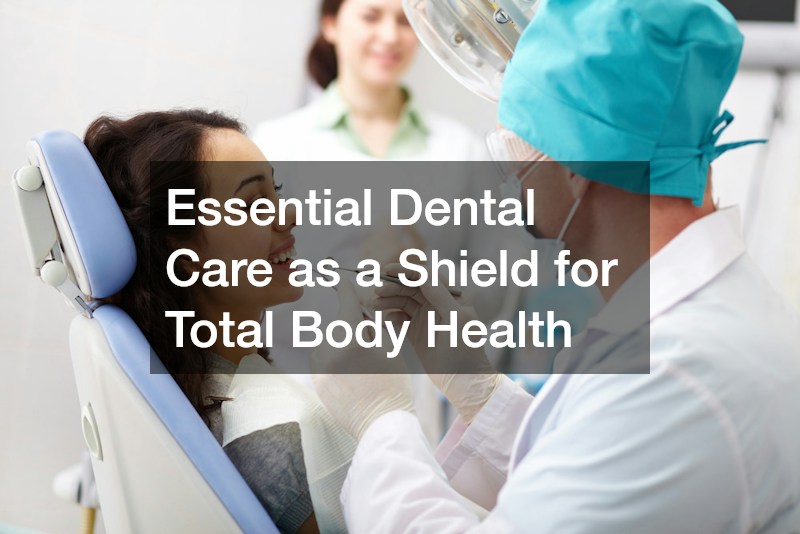
Oral health is far more than an aesthetic concern; it serves as a sensitive mirror reflecting your internal health status. Maintaining a clean, disease-free oral cavity protects your circulatory system from harmful bacteria and prevents localized infections from spreading.
Establish a Consistent Routine for Preventative Oral Maintenance
Regular visits to a professional dental office form the front line of defense against chronic oral inflammation. While daily brushing and flossing are essential, professional cleanings remove calcified plaque (tartar) that cannot be eliminated by home care alone.
During routine examinations, dental professionals do much more than look for cavities. They evaluate the health of your gums, examine the tongue and oral tissues for abnormal lesions, and check for signs of chronic systemic diseases. Conditions such as diabetes, vitamin deficiencies, and autoimmune disorders often exhibit their earliest symptoms inside the mouth, including chronic bleeding, severe dry mouth, or persistent ulcers.
Address Damaged Teeth Promptly to Prevent Systemic Infection
Leaving decayed, broken, or infected teeth untreated poses serious health risks. An unchecked infection in the tooth pulp can quickly progress to an abscess, spreading bacteria deep into the jawbone and surrounding bloodstream.
When a tooth is compromised beyond repair or poses a severe threat to surrounding structures, a tooth extraction may be necessary to protect overall health. Removing a source of chronic infection eliminates a persistent reservoir of inflammation, allowing your immune system to redirect its resources toward healing the rest of the body.
Following any major oral procedure, properly managing recovery is critical. Key recovery steps include:
- Following Post-Procedure Guidelines: Adhere strictly to recommendations regarding activity restrictions, gentle rinsing, and prescribed medications.
- Maintaining Soft-Food Nutrition: Eat nutrient-dense, soft foods such as smoothies, broths, scrambled eggs, and mashed vegetables to maintain strength while protecting the healing site.
- Practicing Gentle Hygiene: Keep the rest of your mouth clean without disturbing the healing blood clot at the surgical site.
Restoring Alignment, Balance, and Structural Comfort
The structural integrity of your body dictates how comfortably and efficiently you move through daily life. Misalignments in the jaw or spine create unnatural compensation patterns that can lead to chronic pain, restricted mobility, and tension headaches.
Correct Bite Misalignment to Relieve Jaw Tension and Headaches
When your teeth do not come together properly—a condition known as malocclusion—it puts excessive strain on the muscles and joints of the jaw. Over time, this chronic strain can lead to temporomandibular joint disorders (TMD), uneven tooth wear, difficulty chewing, and persistent tension headaches radiating through the temples and neck.
Seeking a specialized orthodontic service can resolve these functional issues by gradually moving teeth into proper alignment. Modern treatment options, including subtle clear aligners and traditional apparatuses, restore correct bite dynamics. By distributing chewing forces evenly across the jaw, orthodontic intervention reduces muscular strain, improves breathing airways, and prevents premature wear on your natural enamel.
Align Your Spine to Improve Posture and Neurological Function
Your spine houses the spinal cord, the central pathway through which your brain transmits instructions to every organ, tissue, and muscle in your body. When spinal vertebrae become misaligned due to poor posture, injury, or repetitive stress, it can impinge on nerves and restrict normal range of motion.
Working with a skilled chiropractor helps restore proper joint mechanics and alignment to the spine. Spinal adjustments alleviate nerve compression, reduce muscle spasms, and improve joint flexibility.
To maintain structural health between professional alignment sessions, incorporate these supportive daily habits:
- Practice Ergonomic Awareness: Adjust your computer screen to eye level, keep your feet flat on the floor, and take frequent breaks to stand and stretch while working.
- Strengthen Core Muscles: Engage in exercises like planks, bird-dogs, or Pilates to build the deep abdominal and back muscles that support your spine.
- Mind Your Sleeping Position: Sleep on a supportive mattress with a pillow that maintains the natural alignment of your neck and spine, avoiding sleeping on your stomach when possible.
The Mental Health Connection: Mood, Stress, and Physical Health

Mental health is not isolated to the mind. Thoughts, emotions, and psychological stress trigger immediate physical responses throughout the nervous, endocrine, and immune systems.
Develop Healthy Coping Mechanisms to Reduce Stress-Induced Physical Inflammation
When you experience psychological stress, your body activates its “fight-or-flight” response, releasing a surge of stress hormones like cortisol and adrenaline. While useful in short bursts, chronic stress keeps these hormone levels elevated, leading to muscle tension, elevated heart rate, digestive disturbances, and weakened immunity.
Working with a professional counseling service provides a safe, structured space to develop effective stress-management tools. Behavioral therapy techniques help you identify negative thought patterns, process emotional trauma, and build psychological resilience.
Unmanaged psychological stress often manifests physically in subtle ways, including:
- Nocturnal Bruxism: Unconscious clenching or grinding of teeth during sleep, leading to jaw pain, cracked teeth, and morning headaches.
- Gastrointestinal Distress: Stress-induced alterations in gut motility and flora, causing cramping, bloating, and irregular digestion.
- Muscle Hypertonity: Persistent tightness in the shoulders, neck, and upper back, contributing to chronic postural pain.
Access In-Home Support During Recovery or Reduced Mobility
For individuals navigating severe illness, major surgery recovery, or age-related mobility decline, managing medical appointments and daily self-care can become overwhelming. The emotional stress of struggling with basic tasks can hinder physical healing.
Utilizing specialized home health care services bridges this gap by bringing professional medical assistance, physical therapy, and daily support directly into the comfort of your living space. Having qualified professionals assist with medication management, wound care, and mobility exercises reduces the risk of hospital readmissions and alleviates stress for both patients and family caregivers.
Enhancing Aesthetic Wellness to Boost Confidence and Well-Being
Self-perception plays a significant role in overall health. When you feel confident about your physical appearance, your social interactions improve, stress levels decrease, and your self-esteem rises.
Partner with Specialists for Functional and Aesthetic Enhancements
A smile is often the first feature people notice, and feeling self-conscious about broken, missing, or severely discolored teeth can lead to social anxiety and reduced quality of life. Aesthetic dental care bridges the gap between functional restoration and visual harmony.
Consulting with a qualified cosmetic dentist allows you to address both structural flaws and visual insecurities through personalized treatment plans. Modern treatments—such as custom porcelain veneers, tooth-colored crowns, and dental bonding—not only enhance the visual symmetry of your smile but also reinforce the underlying structural strength of damaged teeth.
Use Safe, Professional Methods to Brighten Your Smile Safely
Over time, dietary habits, aging, and natural wear can cause dark stains and discoloration on tooth enamel. While many over-the-counter whitening products promise quick fixes, improperly applied chemical agents can cause severe tooth sensitivity and soft-tissue irritation.
Seeking professional teeth whitening services ensures that discoloration is safely removed under guided supervision. Professional-grade treatments utilize carefully calibrated bleaching agents and protective barriers for your gums, delivering predictable, long-lasting results while protecting delicate enamel.
To maintain a bright, healthy smile after treatment, follow these simple daily practices:
- Rinse After Dark Beverages: Rinse your mouth with water after drinking coffee, dark teas, red wine, or berry juices to prevent staining pigments from settling on enamel.
- Avoid Tobacco Products: Smoking and chewing tobacco cause deep, stubborn surface stains and increase the risk of periodontal disease.
- Maintain Hydration: Drinking plenty of water stimulates saliva production, which naturally washes away food particles and neutralizes enamel-eroding acids.
Using This Health Guide

The path to true vitality lies in recognizing that your body functions as a single, unified system. Your physical health, oral hygiene, structural alignment, and mental well-being are in constant conversation with one another. Ignoring dysfunction in one domain almost always triggers complications in another, while investing in one area creates a positive ripple effect throughout your entire body.