

Comfort in later life often depends on a combination of physical health, emotional connection, and practical support. Everyday activities such as getting out of a chair, preparing meals, or attending appointments can become more demanding as mobility, energy, and personal circumstances change. Families can improve an older adult’s quality of life by addressing those challenges early, rather than waiting until a routine task becomes difficult or unsafe.
The most effective approach begins with the individual’s preferences. Some seniors want to remain in a familiar home, while others appreciate the activities and assistance available in a residential setting. Either choice can support independence when paired with appropriate care, accessible surroundings, and opportunities for meaningful engagement. By coordinating professional services with manageable household adjustments, families can create routines that promote comfort without taking away an older adult’s sense of control.
Create a Comfortable and Accessible Home Environment
A supportive living space should make common activities easier without feeling clinical or restrictive. Begin by walking through the home and identifying obstacles such as loose rugs, crowded hallways, poor lighting, and frequently used items stored on high shelves. Small changes, including brighter bulbs, secure handrails, and reorganized cabinets, can reduce unnecessary strain. Consider how easily someone can move between the bedroom, bathroom, kitchen, and favorite sitting area throughout the day.
Seating deserves particular attention because standing up from a low or soft chair can be challenging for people with limited strength. Lift chairs use a powered mechanism to help users transition between sitting and standing positions. Before purchasing one, check its dimensions, weight capacity, controls, and whether the person can operate it comfortably. A clinician or occupational therapist can also help determine whether a particular seating option suits someone’s mobility needs.
Bathrooms and entrances may need additional adjustments. Nonslip flooring, grab bars installed in suitable locations, and a shower seat can make daily routines more manageable. Keep walkways clear for walkers or other mobility aids, and arrange furniture to support familiar movement patterns. The goal is not to redesign every room immediately, but to remove barriers that interfere with comfort and safe participation in everyday life.

Match Daily Assistance to Individual Preferences
Support should respond to what a person actually needs, rather than replacing tasks they can still do independently. Some seniors benefit from help with grocery shopping, laundry, meal preparation, and transportation. Others need assistance with bathing, dressing, or remembering appointments. Discuss preferences openly and ask which parts of the day feel tiring, frustrating, or difficult. A collaborative plan can protect dignity while reducing pressure on relatives who provide frequent assistance.
Local senior caregivers can offer companionship and help with everyday routines, although the specific services depend on the caregiver’s qualifications and the agency involved. Families should ask about scheduling, backup coverage, communication practices, and how caregivers report changes in a client’s needs. If medical services are required, health care at home may provide access to qualifying professional visits, such as nursing or therapy, under an appropriate care plan. Personal care and skilled medical care are different services, so clarify who will perform each task.
Consistency also matters. A predictable morning routine, familiar meal choices, and regular social contact can make assistance feel less disruptive. Give the older adult opportunities to make decisions about clothing, activities, and household arrangements. Revisit the plan as circumstances change instead of assuming that a solution chosen several months ago will always remain appropriate.
Explore Living Arrangements Before Needs Become Urgent
Remaining at home is important to many older adults, but it is not the only way to maintain autonomy and social connection. Families should periodically consider whether the current setting supports daily activities, access to care, and opportunities for community involvement. A residence that once worked well may become less practical when stairs, isolation, or transportation challenges increase. These discussions are easier when everyone has time to compare options and consider the person’s wishes.
Elder care communities offer different combinations of housing, activities, supervision, and assistance. Independent living generally emphasizes convenience and social opportunities, while assisted living typically provides additional support with daily tasks. Other settings can address more intensive medical needs. Families should avoid assuming that all communities deliver the same services, staffing arrangements, or levels of care. Ask detailed questions about available assistance, additional fees, emergency procedures, and how residents’ changing needs are handled.
Visiting potential residences can reveal details that brochures cannot. Notice whether common areas feel welcoming, whether residents have choices about activities, and whether staff communicate respectfully. Ask about transportation, meal flexibility, visiting policies, and opportunities for privacy. Whenever possible, include the prospective resident in tours and decisions. Moving should be framed as a change in living arrangements, not an automatic loss of independence.

Address Persistent Discomfort With Appropriate Care
Pain can affect sleep, appetite, movement, and willingness to participate in enjoyable activities. Because discomfort has many possible causes, an older adult should receive an appropriate clinical assessment before beginning a new treatment program. Describe where the pain occurs, when it started, what makes it worse, and whether it affects walking or daily tasks. Share a current medication list, including nonprescription products, so a qualified professional can consider possible interactions and other health concerns.
Depending on the diagnosis, clinicians may suggest non surgical pain treatments, such as individualized exercise, physical therapy, certain medications, or other approaches that do not involve an operation. The right choice depends on the condition, overall health, and personal goals. Some people also explore local chiropractic treatment for particular musculoskeletal complaints. Older adults should discuss spinal manipulation with a healthcare professional first, especially if they have osteoporosis, fragile bones, or other conditions that could increase risk.
Cold laser therapies are sometimes marketed for pain relief, but the evidence varies by condition, and they should not be presented as a universal solution. Ask what benefits are realistically expected, what research supports the proposed use, and how progress will be assessed. Any complementary treatment should fit within a broader care plan rather than delay needed evaluation. Tracking symptoms and functional improvements can help determine whether an approach is genuinely useful.
Coordinate Nursing Support for Complex Health Needs
Daily assistance and medical attention often overlap, but they serve different purposes. A companion might help organize a kitchen or provide transportation, while a licensed professional may be needed to assess symptoms, administer certain treatments, or monitor a wound. Families should identify which tasks require clinical expertise and communicate those needs clearly. This distinction becomes especially important after hospitalization, during recovery, or when several conditions must be managed simultaneously.
Skilled nursing care may be delivered at home or in an appropriate facility, depending on medical requirements, eligibility, and available services. Nurses can help with tasks such as wound care, medication-related monitoring, and education about a prescribed treatment plan. The exact services and visit frequency depend on a clinician’s orders and the provider’s scope of practice. Families should clarify who to contact with routine questions and which changes require prompt medical attention.
Organize discharge instructions, medication lists, appointment dates, and contact information in one accessible place. Encourage the older adult to participate in conversations about their health whenever possible. Relatives can help by taking notes and confirming follow-up arrangements without speaking over the person receiving care. Clear communication between caregivers, clinicians, and family members reduces confusion and supports continuity as care needs evolve.
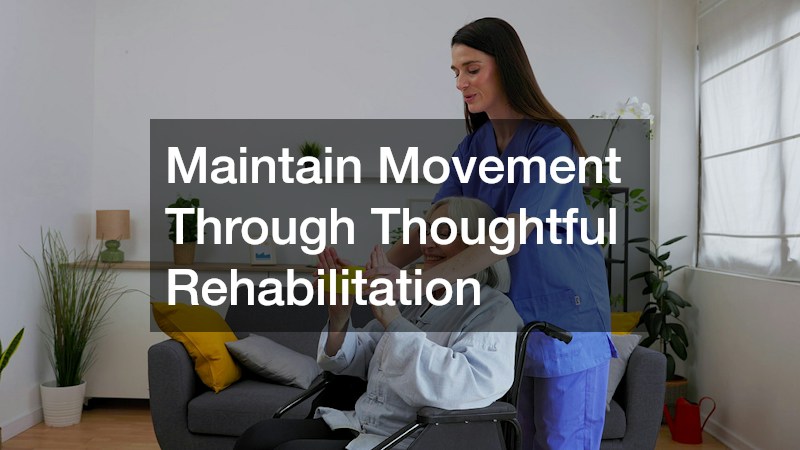
Maintain Movement Through Thoughtful Rehabilitation
Movement supports participation in everyday life, but a suitable activity plan should reflect individual abilities rather than a fixed standard. Someone recovering from surgery may need a different approach from a person managing arthritis or reduced balance. Rehabilitation therapy can address goals such as walking more confidently, improving strength, practicing transfers, or managing routine tasks. A qualified therapist can evaluate limitations and recommend exercises or strategies that match the person’s condition.
Physical therapists often focus on mobility, strength, and balance, while occupational therapists can help people adapt everyday activities and environments. Some care plans involve both. Family members can support progress by making room for prescribed exercises, arranging transportation, and celebrating functional improvements. They should not increase exercise intensity or add challenging movements without guidance, particularly when falls, fractures, or recent medical procedures are concerns.
Progress may be gradual and uneven. Instead of concentrating only on measurements, consider meaningful results: reaching the mailbox, preparing a simple breakfast, or joining a family outing with less difficulty. Comfortable footwear, clear pathways, and suitable mobility equipment can complement therapy recommendations. When activities cause unexpected pain, dizziness, or other concerning symptoms, pause and seek professional advice. Sustainable movement is more valuable than pushing through discomfort to meet an arbitrary target.

Support Emotional Health and Social Connection
Emotional well-being deserves as much attention as physical comfort. Retirement, bereavement, reduced mobility, and changes in social routines can leave older adults feeling disconnected. These experiences do not mean that depression or persistent anxiety is an inevitable part of aging. Regular conversations, shared activities, and meaningful choices can help people stay engaged, while ongoing distress deserves attention from a qualified professional.
Mental health services may include counseling, psychological assessment, psychiatric care, or support groups, depending on individual needs. Families can make access easier by discussing concerns without judgment, helping arrange transportation or virtual visits, and respecting privacy. If an older adult seems unusually withdrawn, loses interest in favorite activities, or experiences significant changes in sleep or appetite, encourage an appropriate evaluation. Physical conditions and medications can sometimes contribute to similar symptoms, making comprehensive assessment important.
Social connection does not require a packed calendar. A weekly phone call, a regular community gathering, or an activity shared with a neighbor can provide structure and enjoyment. Ask about the person’s interests rather than selecting activities solely based on age. Reading clubs, gardening, music, volunteering, and intergenerational visits may all offer opportunities for connection. Make room for quiet time as well, since meaningful participation should remain a choice rather than another obligation.
Build a Flexible Plan That Can Change Over Time
A comfortable routine today may need adjustments next season or after a health event. Families can prepare by creating a simple care overview that identifies daily needs, preferred activities, professional contacts, and areas requiring occasional reassessment. Include the older adult in decisions and determine who will coordinate appointments, transportation, and communication. When several relatives help, divide responsibilities clearly so important tasks are not missed or duplicated.
Schedule periodic conversations about what is working. Is the home still easy to navigate? Are appointments manageable? Does the person have enough social contact, and do current services support personal goals? Use answers to make specific changes rather than overhauling an entire routine. Reassess costs and availability as well, since professional services, equipment needs, and living arrangements can change over time.
Keep important information available to the people who need it while respecting privacy. A list of medications, emergency contacts, care providers, and relevant preferences can be useful during unexpected events. Review plans after significant changes in mobility, health, or household circumstances. Above all, remember that comfort involves more than preventing problems. It also means preserving familiar pleasures, allowing choices, and helping an older adult spend time on activities that make life satisfying.
It can also help to establish clear expectations for outside providers. Ask how often services will be reviewed, who communicates schedule changes, and what happens when a regular professional is unavailable. Keep a written record of agreed responsibilities, especially when family members coordinate care from different locations. If new equipment or treatments are recommended, ask about expected benefits, maintenance, costs, and any practical alternatives. Encourage the older adult to explain what feels helpful and what feels intrusive. Their feedback can reveal concerns that a checklist misses. Small, thoughtful changes are often easier to maintain than ambitious plans that overwhelm everyone involved. The aim is dependable support that adapts to real life while keeping personal preferences central.
Improving everyday well-being is an ongoing process of listening, observing, and responding thoughtfully. With suitable professional support, practical home adjustments, and consistent attention to emotional health, families can help seniors maintain comfort and meaningful independence as their needs evolve.