
In this ever-evolving world of beauty and fashion, hair salons have become dynamic arenas where style enthusiasts and professionals converge to craft stunning looks. This section serves as your gateway into the fascinating realm of trending hair salon choices. Whether you’re a passionate style-seeker eager to stay ahead of the curve or a professional stylist looking to sharpen your craft, this exploration offers something for everyone.
1. What are the Most Popular Haircut Styles in 2026?
In 2026, haircut styles have seen a significant shift as people are opting for styles that combine practicality with a touch of creativity. Layered cuts and bangs have made a notable comeback, offering versatility for different lengths and textures.
The ‘wolf cut’ has become extremely popular, blending shaggy layers with an edgy, modern vibe. Short haircuts like the pixie cut have also gained traction, particularly among those looking for low-maintenance yet stylish choices. Another emerging trend is the ‘bixie’ cut, a hybrid of a bob and pixie, which offers a chic solution for those who want the best of both worlds.
Long hair has not been left out, with many going for the ever-popular curtain bangs that elegantly frame the face. Asymmetrical cuts have also entered the spotlight, allowing clients to express individualism through unique angles and lines. Many salons have reported an increase in requests for textured bobs, which provide volume and a playful touch. Haircuts are no longer just about aesthetics; comfort and functionality have become key considerations. The influence of social media cannot be underestimated, as influencers often set the trends by showcasing what they call the perfect blend of chic and comfort.
Moreover, there is a growing demand for gender-neutral styles that defy traditional norms and provide a more inclusive range of options. Salons are increasingly accommodating these diverse preferences by offering personalized consultations and styling sessions. This surge in popularity is linked to an increased awareness and acceptance of diversity, with clients seeking haircuts that align with their identities. Salons are now equipped with stylists trained in the latest techniques to meet these evolving demands. Overall, the trends point towards a future where customization and personal expression are prioritized in haircutting.
2. How Has Hair Coloring Evolved Recently?
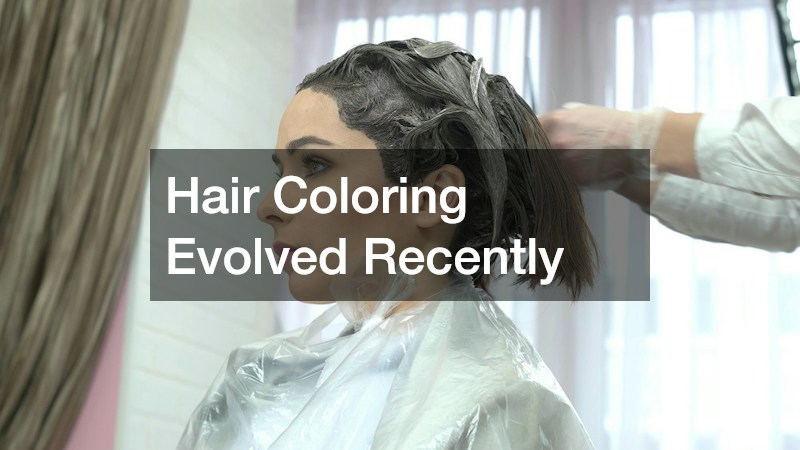
Hair coloring has undergone notable transformations, influenced by advancements in dye technology and changing consumer preferences. Natural and subtle tones have made a strong comeback, with balayage and babylights remaining top choices for those seeking low-maintenance yet stunning looks. On the other hand, vibrant colors are seeing a growing fanbase, enabling individuals to express their bold personalities through vivid shades of blue, pink, or green. Many clients are now drawn to the allure of pastel hues for a soft, delicate appearance that easily blends into professional settings. While classic highlights still hold their place, the industry has seen a shift towards more nuanced, custom shades developed through careful consultation.
One of the biggest innovations in hair coloring is the advent of bond-building treatments that accompany hair dyeing processes. These treatments protect and restore hair strands at the molecular level, addressing concerns related to potential damage from chemical exposure. The use of organic and cruelty-free colorants is climbing, driven by environmentally conscious clients who seek products that align with their values. There is also an emphasis on reverse balayage, which involves darker tones at the roots that gradually transition into lighter ends, offering a sophisticated, sun-kissed look. Hair coloring has indeed become a vast playground where technology and artistry meet to create captivating styles.
Technology plays a fundamental role in today’s coloring techniques, with digital imaging tools helping stylists and clients visualize potential outcomes. Before committing to drastic color changes, clients can see a close approximation of final results through these high-tech solutions. The integration of technology not only enhances client satisfaction but also expedites the decision-making process, empowering clients with visual confidence. In a testament to the digital age, augmented reality apps have surfaced, allowing users to experiment with various colors virtually. As this technology continues to evolve, salons are poised to offer increasingly personalized experiences that celebrate innovation and creativity.
3. What Hair Care Treatments Are Clients Seeking?
Clients in 2026 are gravitating towards treatments focused on hair health and repair, reflecting a broader trend towards holistic wellness. Keratin treatments have surged in popularity, promising smoother, shinier, and more manageable hair, especially for those battling frizz. Hydration treatments, too, are drawing attention, catering to individuals with parched or chemically processed hair that craves moisture. There is significant interest in biotin-infused products, known for strengthening hair and promoting growth. Salons are expanding their services to include scalp treatments that remove build-up and encourage a healthy environment for hair growth, addressing common concerns of dandruff or oiliness.
The demand for natural and organic hair care solutions is on the rise as customers become more conscious of the ingredients they apply to their hair. Many clients are choosing oil-based treatments, such as argan or coconut oil, which offer nourishing properties without synthetic chemicals. Hair spas have introduced ‘detox’ sessions, which involve cleansing rituals aimed at purifying and revitalizing both hair and scalp. These treatments often incorporate botanicals and essential oils to enhance their regenerative qualities. Collaboratively, these therapeutic options are part of a broader movement to prioritize overall hair wellness, rather than merely styling it for temporary aesthetics.
Furthermore, a trend has emerged towards treatments that combine aromatherapy, introducing a sensory experience that relaxes and rejuvenates. Such multi-sensory hair care solutions are designed to provide calm and tranquility, appealing to those who see salon visits as a form of self-care. The line between beauty and wellness continues to blur, with treatments becoming an immersive experience rather than a routine appointment. Increasingly, clients seek out personalized hair care regimens, consulting with salon experts to identify treatments tailored to their specific hair type and concerns. Customization and personalization are key, ensuring each client leaves with not just beautiful hair but also a sense of empowerment and confidence.
4. Which Hair Styling Tools Are Becoming Essential?
Amid the fast-paced evolution of the beauty industry, the array of essential hair styling tools has expanded to include high-tech and eco-friendly options. Ionic dryers are reigning supreme for their ability to efficiently dry hair while minimizing frizz. Stylists are embracing multifunctional curling irons and straighteners that cater to a wide variety of styles, whether creating beachy waves or sleek, straight looks. Sustainable tools made from biodegradable materials are gaining traction as environmentally conscious consumers prefer products that minimize their ecological footprint. Moreover, lightweight and portable tools have become crucial for on-the-go hairstyling, appealing to busy individuals who require quick touch-ups at any moment.
Technological advancements have led to the rise of smart hair tools that adjust temperature settings based on hair type, preventing overheating and subsequent damage. These innovations often incorporate sensors that detect the moisture level in hair to optimize the styling process, ensuring consistent results every time. Cordless tools are another significant trend, offering flexibility and ease of use, especially in professional settings that demand mobility. As digital innovations become staples, the integration of app-based controls for adjusting temperature and style settings is becoming commonplace, with users enjoying a new level of convenience and personalization.
For professionals, ergonomic design is a critical consideration, as stylists spend long hours utilizing these tools. Lightweight tools with comfortable grips help reduce physical strain during repetitive styling sessions, improving efficiency and client satisfaction. As hair styling increasingly borrows from technological advancements, the demand for tools offering precision and consistency continues to soar. Consumers and professionals alike seek reliability and versatility, propelling manufacturers to innovate continuously. In this dynamic ecosystem, styling tools act as catalysts, enabling creative expression while prioritizing user-friendliness and environmental responsibility.
5. How Are Salons Ensuring a Sustainable Experience?
Sustainability remains a top priority in salons across the globe as professionals strive to reduce their environmental footprint without compromising on service quality. Increasingly, salons are opting for eco-friendly practices, integrating technology that ensures efficient water and energy use. Refillable shampoo and conditioner stations are popping up, encouraging clients to bring reusable bottles and reduce plastic waste. Several salons have adopted ‘green salon’ certifications, adhering to stringent standards focused on waste reduction, product recycling, and minimal chemical usage. Clients are also introduced to environmentally conscious brands that align salon offerings with sustainable innovations.
In line with sustainability efforts, many salons are transitioning to cruelty-free and vegan products, ensuring those with ethical considerations in their lifestyle feel accommodated and respected. Initiatives such as recycling programs for foil and color tubes have become standard in progressive salons conscious of their impact on the planet. The use of biodegradable towels and capes further underscores the commitment to environmentally friendly practices. Salons often highlight their sustainability pledge, connecting with like-minded patrons who value green practices and ethical accountability. This emphasis on responsible consumption is reshaping industry norms, proving that luxury and ethics can coexist harmoniously.
Additionally, there is a greater emphasis on educating clients about sustainable hair care routines that they can initiate at home, extending responsibility beyond the salon. To remain competitive, establishments are investing in training staff to understand and communicate the significance of these eco-friendly measures. From online campaigns to in-salon workshops, achieving customer awareness about sustainable options is prioritized, fostering a culture of shared environmental consciousness. With a nascent yet growing focus on local purchasing and reducing carbon footprints through mindful sourcing, the salon industry shows substantial dedication to a greener future.
In conclusion, the hair salon industry is undergoing significant transformations driven by dynamic trends that have left a profound impact not only on salon operations but also on customer choices. As we delved into the myriad of trends shaping this vibrant industry, it became evident that innovation and adaptability are at the heart of staying relevant and meeting customer expectations in a rapidly evolving marketplace.