
As the population continues to age, the need for specialized care tailored to cognitive health has become increasingly important. Memory care facilities play a vital role in supporting individuals experiencing memory loss, offering structured environments, trained caregivers, and personalized programs designed to enhance quality of life. This article explores how these facilities function, why they are essential for individuals with dementia, and what families should consider when choosing the right care option.
1. What Are Memory Care Facilities and How Do They Function?
1.1 Definition of Memory Care Facilities
Memory care facilities are specialized communities designed to meet the unique needs of individuals suffering from memory loss, including Alzheimer’s and other forms of dementia. These facilities provide a safe and structured environment where individuals receive personalized care tailored to their specific cognitive impairments. Memory care is distinct from general assisted living or nursing homes in its targeted support for cognitive issues. Staff are specially trained to manage and assist residents experiencing memory decline, ensuring both safety and quality of life. The focus is not just on physical wellness but also on mental and emotional support, promoting overall well-being in residents.
1.2 Specialized Services Offered
These facilities offer a plethora of specialized services that cater explicitly to cognitive disorders. Common services include round-the-clock supervision, personalized programs, and structured activities designed to enhance memory function. Facilities often use the latest technologies and therapeutic approaches to promote memory retention and mental stability. Additionally, residents receive assistance with daily living activities in an environment tailored to their comfort and safety. Staff members are adept at dealing with the behavioral challenges that memory conditions often present, ensuring residents feel safe and understood.
1.3 Key Differences from Other Care Facilities (e.g., Green Bay, WI Perspective)
Unlike standard nursing homes or assisted living facilities, memory care communities prioritize cognitive health management. In Green Bay, WI, memory care facilities offer an environment designed to minimize confusion and reduce stress through carefully planned architecture and routine. Residents benefit from higher staff-to-resident ratios and caregivers specially trained in dealing with dementia-related issues. This allows for more personalized care and intervention, crucial for those living with memory impairments. Memory care facilities emphasize creating a supportive community atmosphere that helps residents maintain connections and build relationships.
2. Why Are Memory Care Facilities Essential for Individuals with Dementia?
2.1 Addressing the Needs of Dementia Patients
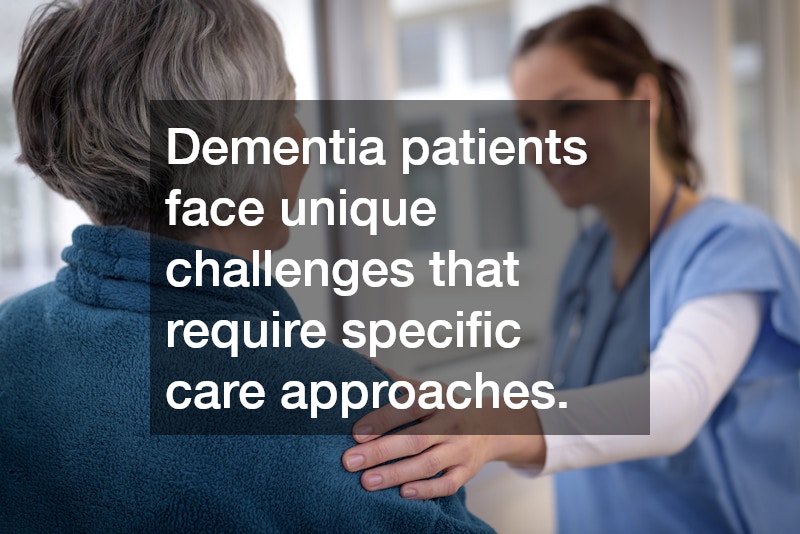
Dementia patients face unique challenges that require specific care approaches offered exclusively in memory care facilities. These facilities understand the complexity of dementia and curate environments and programs that cater to these needs. In Green Bay, WI, such facilities are critical for residents with dementia, offering specialized care plans that address their specific behavioral and medical requirements. Additionally, these communities provide engagement opportunities to prevent isolation and depression, often associated with cognitive decline. The focus is on creating a nurturing space that respects each individual’s dignity and independence.
2.2 Enhancing Quality of Life
One of the primary goals of memory care facilities is to elevate the quality of life for residents experiencing dementia. Through structured routines and purpose-built activities, individuals are encouraged to maintain and enhance their cognitive capabilities. Facilities in Green Bay, WI, involve residents in various social and therapeutic activities that foster engagement and enjoyment. By offering personalized care and regular interaction, these facilities help reduce confusion and disorientation, contributing to improved mental health. Family members can find peace of mind knowing their loved ones are in a supportive environment that emphasizes well-being and happiness.
2.3 The Role of Memory Care Facilities in Green Bay, WI
Memory care facilities in Green Bay, WI, play a vital role in the local community by addressing the needs of aging residents with dementia. They act as a support network, offering resources and expertise that enhance the quality of care for individuals facing memory decline. By providing specialized amenities and programs, these facilities cater directly to cognitive health, offering residents more than just a place to stay. The community benefits from having a care option that not only focuses on medical needs but also on emotional and social growth. Facilities often work in tandem with local health care providers to ensure comprehensive care plans are implemented effectively.
3. How to Choose the Right Memory Care Facility?
3.1 Factors to Consider in Green Bay, WI
Choosing a memory care facility requires careful consideration of several factors to ensure the best care for loved ones. When evaluating options in Green Bay, WI, consider the quality of care offered, staff qualifications, and the kinds of activities available for residents. It’s essential to visit multiple facilities to observe how staff interact with residents and how the environment is maintained. Reviewing accreditations and the facility’s reputation can also provide insight into its suitability. Remember, the right facility will enhance the resident’s life while providing security and peace of mind to their family.
3.2 Evaluating Caregiver Expertise and Experience
The expertise and experience of caregivers are vital components when selecting a memory care facility. Facilities in Green Bay, WI, should employ staff members trained in dementia care who are compassionate and patient. Ask about staff training programs and turnover rates, as consistent caregiver relationships can significantly impact a resident’s comfort and trust. Inquire about the caregiver-to-resident ratio to ensure adequate attention and care. Look for clear communication policies between families and staff, as an effective partnership can enhance care planning and responsiveness to family concerns.
Memory care facilities play a critical role in the care of individuals with memory-related conditions, providing specialized support and enhancing their quality of life. They offer a tailored approach to the challenges presented by dementia, focusing on the individual needs of each resident. With their specialized staff, structured environments, and community ties, memory care facilities in Green Bay, WI, and elsewhere continue to be indispensable for those requiring cognitive care. Families are granted peace of mind knowing their loved ones reside in an environment that promotes well-being. Ultimately, memory care facilities are valuable assets in the broader healthcare landscape, addressing an ever-growing need with compassion and expertise.