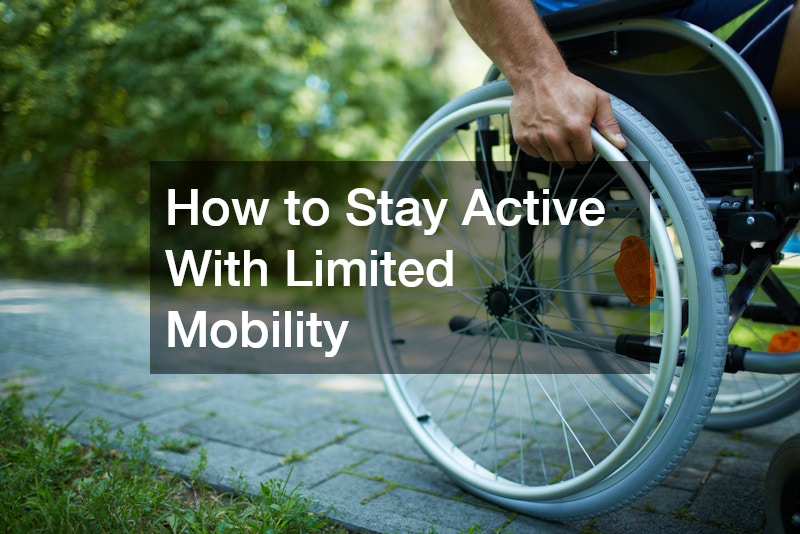

The journey toward physical wellness often feels like a steep climb, particularly when your body does not respond the way it once did or the way society expects it to. For many, limited mobility is a reality that brings both physical hurdles and significant mental barriers. However, the essence of fitness is not found in a specific type of movement but in the consistent pursuit of vitality and the optimization of what your body can achieve today. Redefining your relationship with exercise means moving away from the “all or nothing” mentality and embracing a customized approach that honors your unique circumstances. Focusing on the intersection of physical therapy, adaptive technology, and community support, you can reclaim your energy and build a lifestyle that prioritizes longevity and joy.
Establishing a Foundation of Professional Support
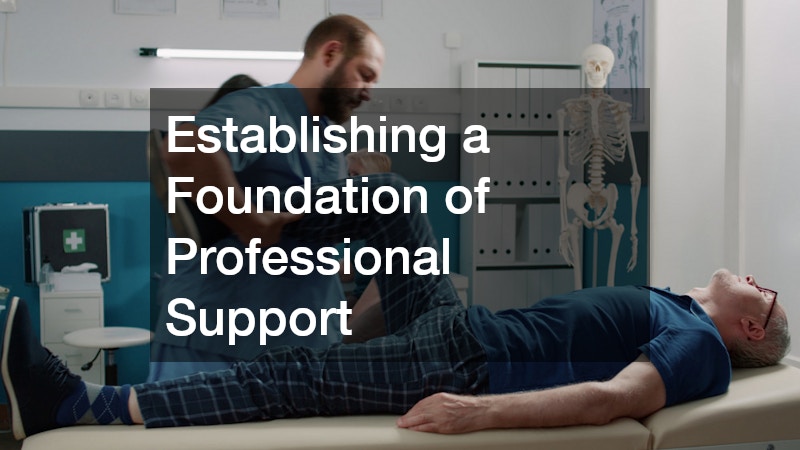
Before beginning any new physical regimen, it is vital to establish a baseline of safety and capability. Movement is medicine, but like any medicine, the dosage and application must be precise to avoid setbacks. When you are dealing with chronic conditions, recovery from surgery, or long-term disability, the guidance of a professional who understands biomechanics is your greatest asset.
A comprehensive physical therapy rehab center offers a controlled environment where you can test your limits under the watchful eye of experts. These facilities are often equipped with specialized tools, such as anti-gravity treadmills and hydrotherapy pools, which allow you to exercise with reduced weight-bearing stress. This clinical setting is ideal for those who need a high level of supervision while they rebuild their foundational strength and neural pathways.
Once you have progressed past the acute phase of rehabilitation, your needs shift toward maintenance and gradual improvement. Finding a reputable local physical therapy office allows for a more integrated approach to your daily life. These therapists can help you design a home exercise program that fits into your schedule, ensuring that you maintain the gains you made in a more intensive clinical setting. They serve as a constant point of contact for adjusting your routine as your strength and energy levels evolve.
Maximizing Mobility Through Specialized Services
For those who rely on prosthetic devices or orthotics, the quality of the equipment is directly tied to the quality of the movement. An ill-fitting device is not just uncomfortable; it can lead to secondary injuries in other parts of the body as you overcompensate for the misalignment.
Maintaining a relationship with a high-quality artificial leg service is essential for amputees who wish to stay active. Regular appointments for socket adjustments, component upgrades, and alignment checks ensure that your prosthetic functions as a true extension of your body. When your gear is optimized, you can focus on the mechanics of your gait and the intensity of your workout rather than the discomfort of a poor fit.
Beyond personal equipment, navigating the wider world requires an understanding of the systems designed to support you. Tapping into disability services within your city or county can open doors to adaptive sports leagues, specialized gym memberships, and even financial assistance for adaptive gear. These programs are designed to remove the systemic barriers that often prevent individuals with limited mobility from participating in the broader fitness culture.
Utilizing Adaptive Cycling for Cardiovascular Health
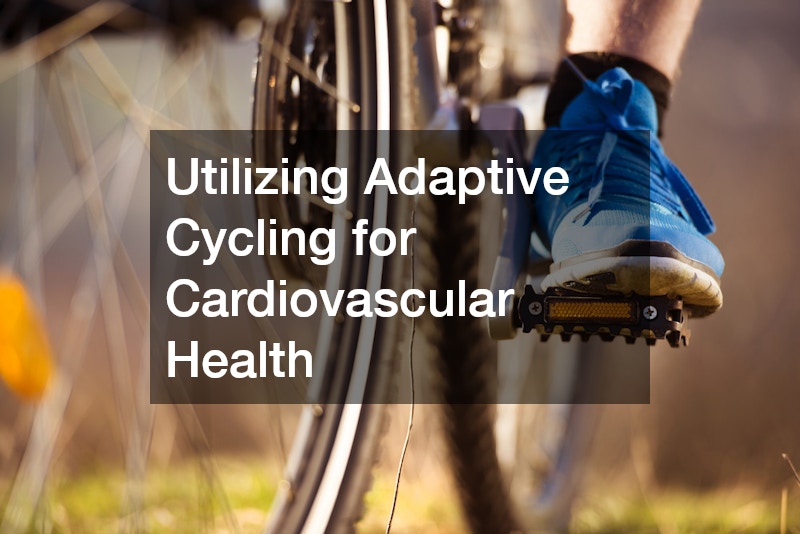
Cardiovascular health is a cornerstone of energy management and overall vitality. When the heart and lungs are functioning efficiently, the body requires significantly less effort to perform daily tasks, leaving you with more stamina for the things you love. For many with mobility challenges, cycling provides a low-impact way to achieve this without the jarring effects of walking or running on sensitive joints. By engaging the large muscle groups in a rhythmic motion, you can strengthen your heart and improve circulation, which often leads to reduced swelling and better oxygenation throughout the body.
If you are just starting or visiting a new area, looking for bicycle rentals that offer adaptive options is a great way to test different styles of bikes before making a financial commitment. Many coastal or park-heavy cities now provide recumbent bikes or hand-cycles that allow you to use your arms or a different leg position to propel yourself. These designs often feature three wheels for maximum stability, eliminating the balance concerns that can make traditional cycling feel daunting.
For those who find that fatigue is a major limiting factor, modern technology offers a brilliant solution that bridges the gap between effort and enjoyment. Utilizing electric bike rentals can be a game-changer for people who have the range of motion to pedal but perhaps lack the sustained power to handle steep hills or long distances. The pedal-assist feature allows you to contribute as much effort as you are able while the motor handles the heavy lifting, ensuring you get the metabolic benefits of the activity without the risk of sudden overexertion.
Choosing a bike with power assistance or a modified frame means you can keep pace with friends and family on a trail without the anxiety of falling behind or becoming stranded due to physical exhaustion. Beyond the physical gains, the psychological boost of navigating a scenic path under your own power—even with an assisted motor—cannot be overstated. It transforms a simple exercise session into an adventurous exploration, reinforcing the idea that your world does not have to shrink because of a mobility change.
Engaging with Inclusive Community Spaces
Isolation is a common side effect of limited mobility, but movement thrives in a community setting. Finding spaces where you feel welcomed and supported can significantly increase your motivation to stay active.
Many people assume that a standard fitness club is only for those who are already at peak health, but this is a misconception. Modern gyms are increasingly focusing on inclusivity, offering seated strength machines, accessible locker rooms, and trainers who are certified in adaptive fitness. When you find a gym that values accessibility, you gain access to a wide variety of equipment that can be used to target specific muscle groups without needing to stand or balance.
If you prefer a more skill-based or social environment, look toward specialized athletic centers. A local tennis academy may offer wheelchair tennis clinics or “cardio tennis” sessions that can be modified for different levels of mobility. Engaging in a sport provides a mental challenge that keeps the brain sharp while the body works, creating a holistic sense of well-being that is hard to replicate with solo exercises.
- Seek out facilities with “inclusive” or “adaptive” in their mission statements.
- Ask for a tour to check the spacing between machines and the availability of elevators.
- Look for trainers who have experience with your specific mobility challenge.
Strategic Planning for Active Leisure
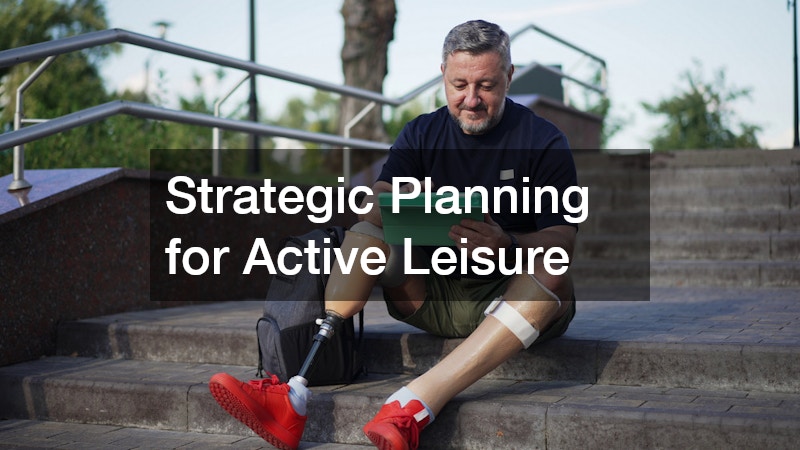
Staying active is not just about the hours spent in a gym; it is about the ability to participate in the leisure activities that define a high quality of life. Planning is the key to ensuring these outings are successful and restorative rather than exhausting.
For many, the biggest barrier to a day of activity is the logistics of getting there. Utilizing accessible vans for your transportation needs can take the stress out of the journey. Whether you are transporting a specialized wheelchair, a hand-cycle, or simply need a vehicle that is easy to enter and exit, having the right transport ensures that you arrive at your destination with your energy intact and ready to be used for movement.
Social sports also offer a fantastic way to stay mobile while enjoying the company of others. Participating in a golf outing can be a wonderful way to spend several hours outdoors. Many courses now provide “ParaGolfer” carts that help users stand upright to swing or allow for seated play, making the game accessible to almost anyone. This type of activity promotes core stability, hand-eye coordination, and cardiovascular endurance in a relaxed, scenic environment.
- Call ahead to confirm the availability of adaptive equipment at the venue.
- Pack plenty of water and nutrient-dense snacks to manage your energy levels throughout the day.
- Plan for “rest intervals” to ensure you don’t overtax your system during longer events.
Practical Daily Habits for Energy and Balance
While big outings and professional appointments are important, the small habits you cultivate at home will determine your long-term success. Consistency is the primary driver of physical adaptation. Even on days when your mobility feels particularly restricted, small movements can prevent stiffness and improve your mood.
- Isometric Exercises: These involve contracting muscles without moving the joints. They are excellent for maintaining strength when range of motion is limited.
- Mindful Stretching: Focus on the areas of your body that hold the most tension. For those using chairs or mobility aids, focusing on the neck, shoulders, and hips is vital.
- Breathwork: Deep, diaphragmatic breathing improves oxygen flow and can help manage the chronic pain often associated with limited mobility.
- Hydration and Nutrition: Your body needs high-quality fuel to repair tissue and maintain energy levels. Prioritize anti-inflammatory foods like leafy greens, berries, and fatty fish.
The integration of these habits creates a “compounding effect” where each small win builds the foundation for the next. It is helpful to keep a journal of your activities and how you feel afterward. This data can help you and your physical therapist identify patterns, such as which movements boost your energy and which ones might be causing excessive fatigue.
Overcoming the Mental Hurdles of Adaptive Fitness

Perhaps the most significant challenge to staying active with limited mobility is the psychological weight of comparison. It is natural to compare your current self to a past version or to compare your journey to those of able-bodied peers. This comparison, however, is the enemy of progress.
True fitness is an internal metric. It is about the gap between where you are and where you could be with the right effort. Celebrating the fact that you completed a ten-minute seated yoga session or that you managed to navigate a new park is just as important as a marathon runner celebrating a personal best. When you shift your focus toward the “micro-wins,” you build a resilient mindset that can weather the inevitable setbacks that come with chronic health or mobility issues.
The social aspect of adaptive fitness also helps in this regard. When you connect with others who are facing similar challenges, you share tips, resources, and emotional support. You realize that you are not an outlier, but part of a vibrant community of people who are refusing to let physical limitations define their lives. This sense of belonging is a powerful catalyst for staying committed to your health goals over the long term.
Integrating Fitness into Your Identity
Ultimately, staying active with limited mobility requires a shift in identity. You must stop seeing yourself as someone who “can’t” and start seeing yourself as an “adaptive athlete.” This term is not reserved for Paralympians; it applies to anyone who intentionally modifies their movement to improve their health.
This identity shift encourages you to seek out the tools and experts mentioned throughout this article. You begin to see your physical therapist not as a clinical necessity, but as a coach. You see adaptive equipment not as a sign of weakness, but as a high-performance tool that allows you to engage with the world on your own terms. By taking ownership of your movement, you reclaim the narrative of your life.
Every step, every lift, and every roll is a testament to your resilience. The road may look different than you originally imagined, but the destination—a life filled with energy, strength, and balance—is still within your reach. By leveraging the right support systems, technology, and community, you can ensure that your mobility challenges are a chapter of your story, not the entire book.
Staying active is a profound act of self-love. It is a way of telling yourself that your health is worth the effort and that your potential is not limited by your physical circumstances. As you move forward, remember to be patient with yourself. Some days will be about pushing your limits, while others will be about gentle movement and recovery. Both are necessary. Both are valid. By maintaining a flexible approach and a determined spirit, you will find that a life of movement is not only possible but deeply rewarding.