
Modern healthcare is evolving to meet the diverse needs of patients, combining prevention, acute care, and personalized support under one umbrella. People today expect more than treatment for illness — they want guidance that supports overall well-being, practical strategies for lifestyle improvement, and access to specialized care when needed. This comprehensive approach addresses physical health, mental well-being, and functional performance, helping individuals navigate both routine and urgent healthcare challenges.
From nutrition and behavior management to advanced medical procedures and rapid interventions, the range of services available today reflects a shift toward patient-centered, integrated care. Understanding these options empowers individuals to take control of their health journey, make informed decisions, and access timely support tailored to their unique needs. Whether someone is managing chronic conditions, exploring personal identity, or responding to sudden health concerns, having clear insights into available resources ensures they receive the most effective care.
This article breaks down key categories of modern healthcare services, explaining how each contributes to holistic wellness. By exploring preventive measures, therapeutic interventions, and innovative treatments, readers will gain clarity on how to optimize their health outcomes. The goal is to provide a structured, practical overview that highlights the value of coordinated, evidence-based approaches, helping patients feel confident and empowered as they engage with today’s healthcare system.
Building Healthier Eating Habits Through Personalized Guidance

Good nutrition is foundational to physical and mental health, yet many people struggle to implement sustainable eating habits. Nutrition counseling provides structured support to help individuals understand their unique needs, set realistic goals, and make informed food choices. Unlike one-size-fits-all diets, this service considers medical conditions, lifestyle, preferences, cultural factors, and goals to design personalized strategies that support long-term success.
A qualified counselor conducts assessments that include dietary patterns, metabolic health, and behavior triggers around food. These insights inform actionable plans that emphasize practical changes — from meal planning and mindful eating to nutrient optimization. Patients leave sessions with clear steps rather than vague recommendations, increasing adherence and outcomes. Research shows that tailored guidance improves weight management, reduces cardiometabolic risk, and enhances overall energy and well-being. Whether someone is managing diabetes, seeking weight loss, or simply wanting to eat more nutritiously, professional counseling creates accountability and momentum for change.
Personalized nutrition support also connects patients with resources such as grocery lists, cooking tips, and habit tracking tools. This collaborative, goal-focused approach can shift eating from a source of stress to a manageable and improving part of everyday life.
Accessing Immediate Care Through Convenient Same-Day Services
Healthcare needs often don’t align with appointment schedules. Walk in clinic services bridge this gap by providing timely, accessible care for acute but non-emergency issues. These clinics are designed for patients who require prompt attention for conditions like minor injuries, infections, or sudden illness without the delay of specialist appointments or emergency room congestion.
Walk-in clinics typically operate extended hours and accept patients without prior booking, making them especially valuable for working adults, caregivers, and families needing same-day solutions. Staffed by nurses, physician assistants, and board-certified physicians, these clinics handle diagnostics and treatments such as X-rays, lab tests, sutures for cuts, immunizations, and illness management. Patients experience shorter wait times and lower costs compared with urgent care centers and hospitals, while receiving quality care calibrated to their immediate needs.
Integrating these services into your healthcare strategy means health issues are less likely to worsen due to delay. For conditions like urinary tract infections, respiratory symptoms, sprains, or sudden rashes, access to same-day evaluation promotes faster relief and reduces the burden on emergency systems. Walk-in clinics play a key role in keeping patients healthy, informed, and stabilized before complex referrals are required.
Improving Focus and Behavior Through Targeted Support
Attention-related challenges affect both children and adults, influencing academic performance, work productivity, social interactions, and quality of life. ADHD treatment refers to a spectrum of clinical approaches aimed at improving focus, impulse control, and behavior regulation. Because attention-deficit/hyperactivity disorder presents differently across individuals, effective treatment plans are multi-modal and personalized.
Diagnosis begins with a comprehensive evaluation by a trained clinician who assesses symptoms, history, and functional impact. Evidence-based treatment may include behavioral therapy, lifestyle interventions, cognitive strategies, and, when medically appropriate, medication management. Therapists work with patients to build skills that promote organization, emotional regulation, and adaptive responses to daily challenges. For children and teens, parent and teacher collaboration amplifies consistency across environments, reinforcing successes and supporting developmental growth.
Adults benefit from tailored plans that integrate treatment with workplace strategies, stress management techniques, and habit formation. The goal of ADHD treatment is not merely symptom suppression, but equipping individuals with tools to enhance executive function and thrive academically, socially, and professionally. Integrated support and ongoing monitoring ensure treatment evolves with patient needs over time.
Enhancing Overall Health Through Integrated Care Approaches
Modern healthcare increasingly recognizes that wellness is multi-dimensional, encompassing physical, emotional, preventive, and lifestyle elements. A medical wellness clinic approaches patient care through this broader lens, combining conventional medicine with preventive strategies, health education, and lifestyle optimization services. These clinics focus on achieving sustainable health improvements rather than episodic problem-solving.
Patients visiting a medical wellness clinic receive assessments that include metabolic screening, cardiovascular risk profiling, mental health evaluation, and lifestyle analysis. This comprehensive intake enables a coordinated plan tailored to individual goals such as weight management, stress resilience, hormonal balance, or healthy aging. Services often integrate nutrition, fitness guidance, behavioral health counseling, and chronic disease monitoring within one coordinated framework.
A core value of medical wellness clinics is prevention. By identifying risk factors early and intervening with evidence-based strategies, these clinics help patients avoid costly complications later. Regular follow-ups, coaching, and education empower individuals to take ownership of their health trajectory. This integrated model aligns clinical expertise with practical lifestyle change — making health improvement both accessible and sustainable.
Restoring Bone Structure Through Advanced Regenerative Solutions
Bone health is critical following trauma, surgery, or degenerative disease. When natural healing is insufficient, synthetic bone grafts provide a regenerative solution that supports bone growth, structural stability, and functional recovery. These grafts act as scaffolding that encourages new bone formation and integrates with the body’s biology to restore continuity and strength.
Synthetic bone graft materials are engineered to be biocompatible, offering osteoconductive frameworks that facilitate vascular in-growth and cellular migration. They are used in a range of orthopedic and dental procedures — including fracture repair, spinal fusion, joint reconstruction, and dental implant support. Unlike traditional grafts that require harvesting from another part of the patient’s body, synthetic options reduce donor site pain, infection risk, and surgical time.
Advances in biomaterials — such as calcium phosphate compounds, bioactive glass, and composite polymers — have improved outcomes and broadened clinical applications. Surgeons choose graft options based on defect size, load demands, and patient factors. For patients, this means faster recovery, enhanced structural integrity, and reduced need for secondary procedures. Integrating synthetic bone grafts into treatment plans reflects how regenerative technology is elevating orthopedic care with precision and patient comfort in mind.
Navigating Personal Identity Through Supportive Care Resources
Identity exploration is a deeply personal process that can intersect with healthcare needs, emotional well-being, and social support systems. Exploring gender identity involves understanding one’s internal sense of self in relation to gender, which may differ from social or biological expectations. Accessing supportive care resources makes this journey affirming, safe, and aligned with individual values.
Healthcare providers trained in gender-affirming care guide patients through questions around expression, hormone therapy, mental health support, and social transitions. Counseling offers a confidential environment to reflect on gender experiences and expectations, helping individuals articulate needs and set goals. For some, exploring gender identity includes connecting with community support networks, peer groups, and educational resources that validate lived experiences and reduce isolation.
Clinical care teams also address related health considerations such as preventative screenings, emotional wellness strategies, and referrals to specialists when needed. The focus is on holistic well-being — ensuring that identity exploration is supported medically, psychologically, and socially. This comprehensive approach fosters resilience and confidence as patients navigate personal choices while receiving evidence-based care and advocacy.
Responding to Urgent Needs Through Rapid Medical Intervention
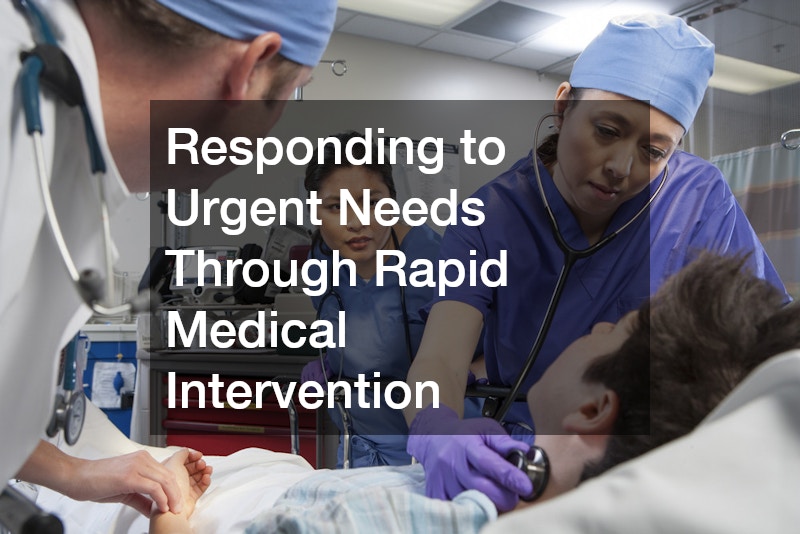
Emergencies can arise without warning, requiring immediate and decisive care. Emergency care services are designed to respond to life-threatening situations and acute injuries that cannot safely wait for scheduled appointments. These services are staffed by multidisciplinary teams trained to stabilize, diagnose, and treat a wide range of critical conditions.
Emergency departments operate around the clock and are equipped with advanced diagnostics — including imaging, cardiac monitoring, and laboratory testing — to rapidly assess severity and determine treatment priorities. Clinicians handle situations such as chest pain, stroke symptoms, severe trauma, breathing difficulties, uncontrolled bleeding, and sudden neurological changes. Time-sensitive interventions, such as administering clot-busting therapy for stroke or performing lifesaving surgery after trauma, hinge on immediate action.
Beyond acute treatment, emergency care services coordinate transitions to ongoing care. Patients may be admitted for inpatient treatment, referred to specialists, or discharged with comprehensive follow-up plans. These services also play a critical role in public health, managing outbreaks, and triaging community health needs. In essence, emergency care serves as the safety net of modern healthcare — ensuring that urgent medical needs are met with expertise and speed.
Managing Spine Discomfort Through Effective Treatment Options
Back and neck pain are among the most common complaints in adult populations, stemming from injury, degeneration, posture issues, or chronic conditions. Back &neck pain treatment encompasses a spectrum of interventions aimed at reducing pain, restoring function, and preventing recurrence. The most effective approaches are multidisciplinary, combining therapeutic, medical, and lifestyle strategies.
Initial assessment focuses on identifying the source of pain through clinical evaluation and imaging when necessary. Conservative treatments often include physical therapy, strength training, manual techniques, and pain-modulating technologies such as electrical stimulation or ultrasound. These interventions help improve mobility, correct muscular imbalances, and build supportive strength in the core and spinal musculature.
When conservative care is insufficient, interventional options — such as corticosteroid injections, nerve blocks, or minimally invasive procedures — may provide relief and promote healing. Surgical consultation is reserved for specific indications like nerve compression, structural instability, or failed conservative care over time. Education on posture, ergonomics, and activity modification is integrated throughout to empower patients with self-management tools.
Timely and targeted treatment not only alleviates discomfort but also reduces disability, enhances quality of life, and supports long-term spine health. Effective back & neck pain treatment prioritizes patient goals, evidence-based techniques, and a collaborative recovery plan.
Selecting Primary Care Providers Through Informed Decision-Making
Establishing a continuous healthcare relationship with a trusted doctor offices team is foundational to preventive care and long-term health management. Primary care providers (PCPs) serve as coordinators of wellness, chronic disease monitoring, screenings, immunizations, and referrals. Choosing the right provider involves evaluating clinical expertise, communication style, accessibility, and alignment with personal values.
Effective decision-making starts with clarifying what matters most in your care relationship — whether that’s collaborative goal-setting, thorough explanations, preventive focus, or coordination with specialists. Research provider backgrounds, insurance compatibility, patient reviews, and service offerings. Many clinics now offer extended services under one roof, including behavioral health, nutrition, and chronic care management, which can enhance continuity and convenience.
During initial visits, patients should assess how well the provider listens, explains conditions and options, and respects preferences. A strong rapport fosters trust and encourages active participation in health decisions. Because primary care underpins most other specialties — from referrals to chronic disease algorithms — selecting an informed, responsive provider pays dividends in long-term health outcomes.
Improving Mobility Through Non-Invasive Alignment Techniques
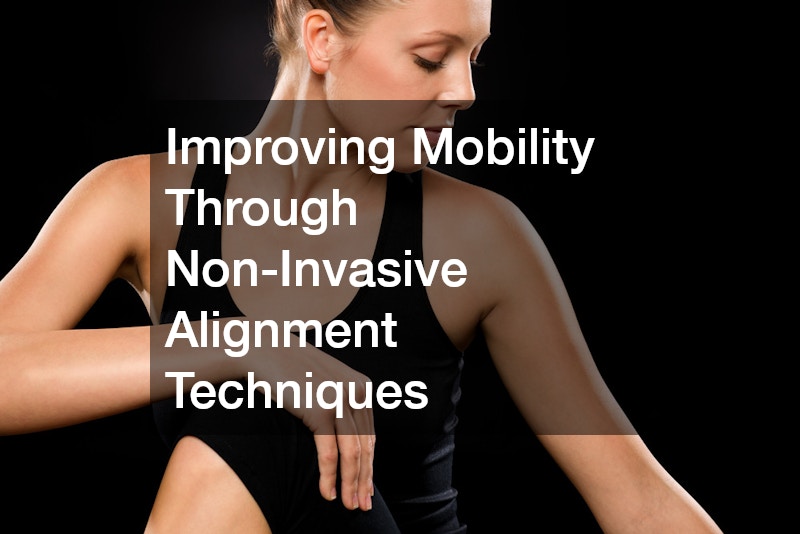
Maintaining joint health and structural alignment supports daily function, athletic performance, and pain prevention. Chiropractic service focuses on diagnosing and managing musculoskeletal conditions, particularly those related to the spine. These non-invasive techniques complement other medical approaches by emphasizing manual adjustments, soft-tissue therapies, and functional movement correction.
Chiropractors assess posture, range of motion, and movement patterns to identify areas of restriction or imbalance. Through targeted adjustments, joint mobilizations, and therapeutic modalities, they aim to reduce nerve interference, restore alignment, and improve biomechanics. Patients often report enhanced flexibility, decreased discomfort, and better overall mobility following care.
Chiropractic service also integrates education on ergonomics, strengthening exercises, and lifestyle modifications that support long-term musculoskeletal health. For individuals with chronic tension, repetitive strain, or postural issues from sedentary work, these interventions offer practical alternatives or adjuncts to conventional pain management. When coordinated with primary care and physical therapy, chiropractic care contributes to a comprehensive plan that prioritizes function, resilience, and quality of movement.
Integrated approaches combine personalized counseling, therapeutic interventions, advanced procedures, and timely medical attention to create a coordinated continuum of care. By understanding these options and how they work together, patients can make informed decisions, access services when needed, and proactively manage long-term health. Strong partnerships with primary care providers, access to urgent and specialized care, and supportive resources for mobility, behavior, and identity all contribute to better outcomes.
Ultimately, comprehensive care is a collaborative process. It empowers individuals to engage actively in their health, leverage innovative treatments, and adopt preventive strategies that support lasting wellness. By embracing a multi-dimensional approach, patients can navigate today’s healthcare landscape with confidence, ensuring their needs are met, their goals are achieved, and their quality of life continues to improve.