
With the increasing demand for personalized healthcare solutions, local home care stands out as a significant option, offering tailored services at home. This approach aligns well with the evolving needs of today’s society and brings numerous benefits.
Moreover, it facilitates a more comfortable and familiar environment for patients, contributing to better recovery and well-being.
Primary Benefits of Local Home Care
Personalized Attention
Local home care offers personalized attention, tailoring care routines to fit individual needs and preferences. This approach builds a strong patient-caregiver relationship and enhances trust and communication. It allows for dynamic care environments responsive to patients’ changing health, thus promoting better outcomes and shorter recovery times.
The core of this personalized care ensures patients experience a coherent care strategy within their comfort zones, positively affecting their health journey and boosting the likelihood of positive outcomes.
Reduced Stress for Patients
Home care reduces stress by allowing patients to remain in familiar surroundings, unlike stressful hospital settings. This comfort aids recovery, particularly for long-term illnesses or post-surgical rehabilitation, and supports emotional well-being.
Reduced stress decreases the need for anxiety medications and enhances emotional bonds, offering holistic benefits to mental and physical health.
Enhanced Family Involvement
Home care strengthens family involvement, creating a supportive network crucial for emotional balance and recovery. Families reinforce professional care routines, establishing a shared goal of health improvement.
This involvement fosters proactive family roles in rehabilitation and daily tasks, empowering collaboration with caregivers for enhanced satisfaction and health outcomes.
Supporting Independence Through Local Home Care
Encouraging Daily Activities
Local home care supports independence by engaging patients in daily activities, fostering autonomy and self-sufficiency. Participating in tasks like cooking and cleaning preserves skills, confidence, and physical and cognitive health.
Promoting Rehabilitation
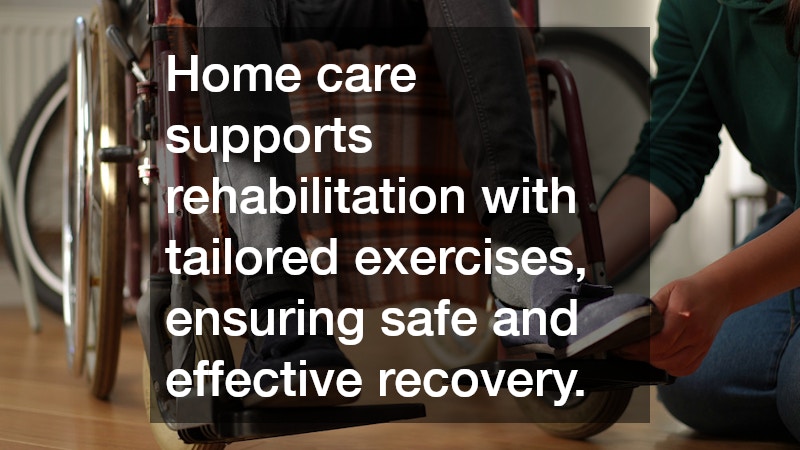
Home care supports rehabilitation with tailored exercises, ensuring safe and effective recovery. Collaborating with therapists, caregivers track progress and adapt routines, boosting patients’ physical and emotional health.
Empowering Patient Decisions
Local home care empowers patients to make informed healthcare decisions, aligning treatments with their preferences and enhancing satisfaction and adherence. Caregivers support this with advice and resources, ensuring patients feel valued and involved.
Services Provided by Local Home Care
Medical Care and Monitoring
Home care offers medical services, including medication administration and chronic condition management, minimizing hospital stays. Regular health assessments ensure timely interventions and proactive health management.
Personal Care Assistance
Providing help with daily activities, personal care assistance aids patients with hygiene and mobility, promoting independence and reinforcing self-care confidence while fostering emotional bonds and a supportive atmosphere.
Housekeeping and Homemaking
Home care includes housekeeping and homemaking, ensuring a conducive living environment for recovery. Caregivers manage tasks like cleaning and meal preparation, enhancing patients’ nutritional needs and well-being.
Meal Preparation and Nutrition
Tailored nutrition plans meet dietary needs, promoting health. Shared meals foster companionship and emotional well-being, reinforcing the holistic care model.
Transportation and Mobility
Caregivers provide transportation for medical appointments and social activities, supporting independence and reducing isolation. Mobility assistance at home ensures safety and comfort.
Family Caregiver Benefits from Local Home Care
Providing Respite
Home care provides respite to family caregivers, preventing burnout by allowing them to rest, pursue personal interests, and balance other responsibilities safely.
Educating Family Members
Caregivers educate families on care practices, enhancing skills and confidence for safe, effective caregiving, improving overall care quality and collaboration.
Reducing Emotional Strain
Local home care alleviates the emotional burden on families, offering reliable support and fostering relationships, allowing families to focus on quality time with loved ones.
Considerations When Choosing Local Home Care
Assessing Caregiver Qualifications
Ensuring caregivers have proper qualifications and experience is vital for quality care. Families should verify credentials and suitability, ensuring trust in the caregivers chosen.
Understanding Services Offered
Comprehensive understanding of services ensures care plans align with patient needs. Families should evaluate service offerings, including adaptability to changing health needs, confirming a tailored fit for quality care.
Local home care offers a comprehensive solution for personalized healthcare, providing benefits like reduced stress and enhanced family involvement. It supports independence and rehabilitation while offering diverse services tailored to individual needs. Family caregivers gain respite and education, beneficially supporting the caregiving experience. With careful assessment of qualifications and services, families can find the best home care options for their loved ones, reinforcing its essential role in modern healthcare.