
How to Improve Your Mental Health in 2026
Mental health has become one of the most important topics of the modern era, and 2026 presents a unique opportunity to rethink how we care for our minds in a fast moving and often overwhelming world. As technology continues to shape how we work, communicate, and relax, many people are experiencing higher levels of stress, mental fatigue, and emotional burnout. Shifting work environments, increased screen time, and constant access to information have made it more important than ever to develop intentional habits that support emotional wellbeing and long term mental resilience.
At the same time, conversations around mental health have become more open and widely accepted. People are no longer willing to ignore stress, anxiety, or emotional exhaustion as normal parts of daily life. Instead, there is a growing desire for practical and realistic strategies that can be integrated into everyday routines. Improving mental health is not about one dramatic change or a quick fix. It is about building supportive habits across daily life that work together to create balance, clarity, and emotional strength.
From caring for your body and nourishing yourself properly to seeking support and creating calming environments, even small adjustments can lead to meaningful emotional stability over time. These choices help reduce mental strain, improve focus, and create a greater sense of control and fulfillment. This guide explores actionable strategies to strengthen mental health in 2026 by addressing physical wellness, emotional support, nutrition, hobbies, mindfulness, home environment, and hydration, offering a holistic approach to feeling healthier and more grounded in the year ahead.
Focus on Your Body

The mind and body are deeply connected, and physical discomfort often contributes to stress, anxiety, and fatigue. In 2026, more people are recognizing that caring for the body is a foundational step toward better mental health. Regular movement, proper posture, and pain management can significantly influence mood and energy levels. When the body feels supported, the mind has more capacity to manage stress and emotional challenges.
Musculoskeletal strain from remote work and screen time continues to rise, making body awareness more important than ever. Many individuals are turning to chiropractic services to relieve physical tension, improve alignment, and reduce discomfort that may otherwise impact sleep and focus. Physical relief often leads to improved mental clarity and reduced irritability.
Beyond professional care, incorporating gentle stretching, daily walks, and strength building exercises helps maintain physical resilience. Sleep quality also plays a major role in mental health, as rest allows the brain to regulate emotions and process daily experiences. By prioritizing physical wellness, you create a strong base for emotional stability and mental clarity.
Seek Out Help
Mental health challenges are not meant to be faced alone. In 2026, access to professional support is more flexible and inclusive than ever. Seeking help is a sign of self awareness and strength, not weakness. Whether someone is dealing with anxiety, burnout, depression, or life transitions, guidance from a trained professional can make a profound difference.
Advancements in digital healthcare have expanded options for support, making telehealth appointments an accessible solution for people with busy schedules or limited access to in person care. These virtual sessions allow individuals to connect with therapists, counselors, and mental health professionals from the comfort of home. This convenience removes common barriers such as transportation, time constraints, and stigma.
Seeking help can also extend beyond formal therapy. Support groups, community resources, and trusted conversations with loved ones can provide emotional grounding. Learning to ask for help builds resilience and reinforces the idea that mental health is a shared responsibility. When support systems are in place, individuals are better equipped to navigate challenges and maintain emotional balance.
Change Up Your Diet

What you eat has a direct impact on how you feel. Nutrition influences brain chemistry, energy levels, and emotional regulation. In 2026, mental health conversations increasingly include discussions about food quality, eating habits, and mindful nourishment. A balanced diet supports cognitive function and helps stabilize mood throughout the day.
Busy lifestyles often make healthy eating difficult, leading many people to rely on food delivery as a convenient solution. While convenience is valuable, being intentional about food choices is essential. Choosing meals with whole ingredients, balanced nutrients, and adequate hydration can help reduce mood swings and mental fatigue.
Occasional comfort foods also play a role in emotional wellbeing. Enjoying chinese food takeout from time to time can provide comfort and satisfaction when eaten mindfully and in moderation. The key is balance rather than restriction. Paying attention to how certain foods affect energy and mood helps build a healthier relationship with eating.
By planning meals, incorporating nutrient rich foods, and listening to your body, you can use diet as a powerful tool for mental health improvement.
Engage in Physical Hobbies
Physical hobbies provide more than exercise. They offer mental stimulation, stress relief, and a sense of accomplishment. In 2026, people are seeking activities that engage both the body and the mind, helping them disconnect from screens and reconnect with themselves.
Participating in structured movement activities can boost confidence and focus. Visiting gymnastics centers offers opportunities for coordination, strength building, and playful movement. These environments encourage goal setting, social interaction, and physical expression, all of which support emotional wellbeing.
Physical hobbies also create routine and purpose. Whether it is dancing, climbing, swimming, or martial arts, engaging in enjoyable movement releases endorphins that naturally improve mood. These activities provide a break from daily pressures and help individuals reconnect with joy and creativity.
Making time for physical hobbies strengthens mental resilience by combining movement, community, and personal growth into one rewarding experience.
Try Calming Mental Activities
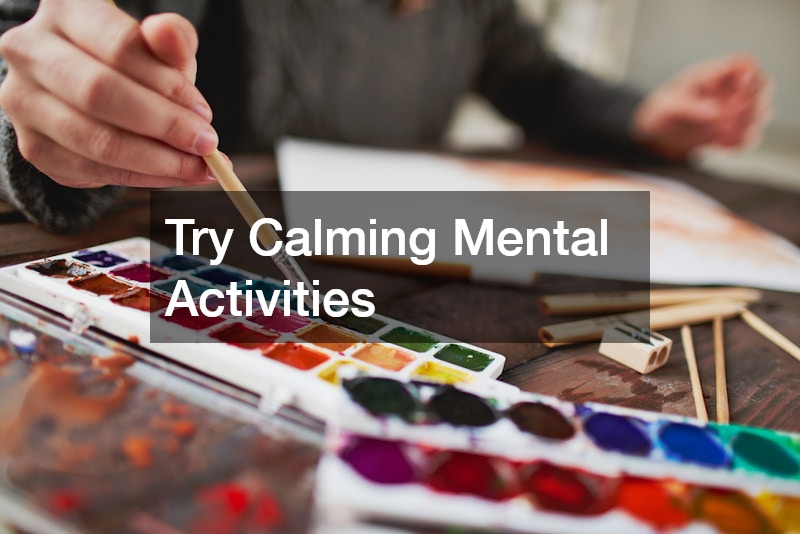
Mental health improvement is not only about staying active and productive but also about making intentional space for rest and reflection. Try taking on a calming mental activity to help manage stress, prevent burnou, and maintain emotional balance. Constant stimulation from screens, notifications, and daily responsibilities can overwhelm the mind, making it difficult to fully relax. Slowing down allows the brain to reset, regulate emotions, and regain a sense of clarity that supports long term wellbeing.
Spending time in nature is one of the most effective ways to calm the nervous system and reduce mental strain. Natural environments encourage a slower pace and help shift focus away from worries and distractions. Visiting a local garden center can inspire creativity while offering a peaceful atmosphere filled with color, texture, and natural scents. Simply walking among plants and flowers provides sensory grounding that has been shown to reduce anxiety, improve mood, and promote feelings of calm and contentment.
Gardening itself is a deeply therapeutic activity that encourages mindfulness, patience, and presence in the moment. The repetitive and purposeful nature of planting, watering, and caring for greenery can be incredibly soothing for the mind. Installing a residential garden irrigation system can make plant care easier and more sustainable, removing pressure while allowing individuals to enjoy the mental benefits of gardening consistently. Tending to plants fosters a sense of responsibility and connection to growth, which can be especially comforting during times of stress or emotional uncertainty.
In addition to nature based activities, calming mental practices such as meditation, journaling, and creative expression play a powerful role in emotional health. Meditation helps quiet racing thoughts and improve focus, even when practiced for just a few minutes each day. Journaling provides a safe outlet for processing emotions, gaining perspective, and releasing mental tension. Creative activities such as drawing, painting, or crafting allow emotions to be expressed in nonverbal ways, which can be especially helpful when words feel difficult to find.
Upgrade Your Living Space
The environment you live in has a powerful influence on mental health, often shaping your mood, energy levels, and ability to relax without you even realizing it. In 2026, more people are placing greater importance on creating living spaces that promote comfort, functionality, and calm rather than simply focusing on appearance. A well organized and thoughtfully designed home can reduce daily stress, support better routines, and create a sense of stability that positively impacts emotional wellbeing.
The kitchen often serves as the heart of the home, making it a key area for emotional health and daily connection. Working with a kitchen remodeling service can transform this space into a more inviting and efficient environment that supports healthy habits. Improved layouts can make cooking less stressful, while better lighting can enhance mood and energy levels throughout the day. Thoughtful design choices such as easy to clean surfaces and functional storage help create a sense of order and control.
Updating kitchen cabinets can also enhance storage and organization, reducing visual clutter that may contribute to mental fatigue. When items have designated places and daily tasks feel easier to manage, the mind experiences less strain and distraction. Even small updates such as reorganizing shelves or adding soft lighting can make a noticeable difference in how the space feels.
Bathrooms and bedrooms are equally important when it comes to mental health. Upgrading a bathroom with calming colors, improved lighting, and modern fixtures can turn everyday routines into moments of relaxation. Features like better ventilation, updated vanities, or spa inspired touches can help create a peaceful atmosphere that encourages self care. A clean and functional bathroom reduces stress during busy mornings and promotes relaxation at the end of the day.
Bedrooms play a critical role in mental health by supporting rest and emotional recovery. Simple upgrades such as investing in a comfortable mattress, using soft bedding, and reducing clutter can improve sleep quality. Adding blackout curtains, calming wall colors, and minimal decor helps create a restful environment that signals the mind to unwind. Keeping technology to a minimum in the bedroom can further support relaxation and better sleep.
Upgrading your living space does not require perfection or luxury. Small improvements that align with your needs and personal preferences can make your home feel like a refuge rather than a source of stress. When your surroundings support comfort and functionality, it becomes easier to relax, recharge, and maintain emotional balance throughout daily life.
Drink More Water

Hydration is often overlooked in mental health conversations, yet it plays a crucial role in cognitive function and emotional regulation. In 2026, understanding the importance of hydration is becoming part of a holistic approach to wellbeing.
Dehydration can lead to fatigue, headaches, irritability, and difficulty concentrating. Drinking enough water throughout the day supports brain function and helps maintain energy levels. Making hydration a consistent habit is one of the simplest ways to improve mental clarity.
Ensuring access to clean water is equally important. Investing in water purification can improve taste and quality, encouraging regular water intake. Clean water supports overall health and reduces exposure to contaminants that may impact wellbeing.
Carrying a reusable water bottle, setting reminders, and pairing hydration with daily routines can make drinking water an effortless habit that supports both physical and mental health.
Improving your mental health in 2026 is about creating balance across all areas of life rather than focusing on one single solution. True emotional wellbeing comes from understanding how daily habits, physical health, environment, and mindset all work together to influence how you feel. By caring for your body, seeking support when needed, nourishing yourself with thoughtful food choices, engaging in meaningful physical and creative activities, calming the mind, improving your living space, and staying properly hydrated, you build a strong and sustainable foundation for emotional resilience.
It is important to remember that mental health is not a destination you reach and then leave behind. It is an ongoing practice shaped by daily choices, routines, and self awareness. Some days will feel easier than others, and progress may not always be linear. What matters most is consistency and the willingness to adjust your approach as your needs change. Even small improvements made over time can lead to significant positive shifts in mood, focus, and overall quality of life.
As you move forward into 2026 and beyond, prioritizing mental health allows you to respond to challenges with greater clarity and confidence. When you invest in your wellbeing, you create space for personal growth, stronger relationships, and a deeper sense of fulfillment. With intention, patience, and commitment, these strategies can help you build a healthier relationship with yourself and navigate the future with greater balance, purpose, and lasting wellbeing.